
Lifestyle
Buffing a Scratch Out of a Car – DIY Auto Body Repair

Peradventure you find a scratch on your car, it can be a disheartening sight. However, fear not, because with the right tools and technique, you can remove that scratch and restore your car’s finish to its former glory. In this guide, I will walk you through the process of buffing out a scratch on your car’s body. It’s important to note that deep scratches that have penetrated the clear coat and reached the metal should be addressed by a professional to prevent further damage to your car’s paint job. For minor scratches, you can use a rubbing compound and a buffing pad to gently remove the scratch and blend it into the surrounding paint. Remember to always work in a well-ventilated area and wear protective gear to avoid inhaling or coming into contact with harmful chemicals. With the right care and attention to detail, you can save yourself the time and money of a trip to the auto body shop and restore your car’s appearance on your own.
Key Takeaways:
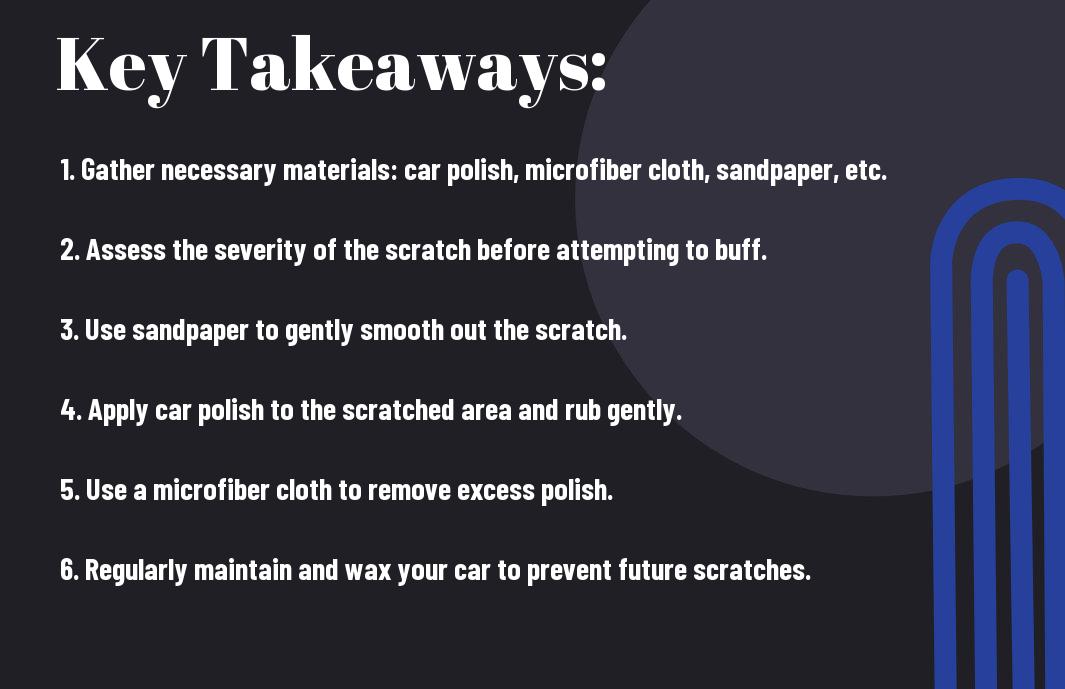
- Assess the scratch: Before starting the buffing process, it’s important to assess the depth and severity of the scratch to determine if it can be fully removed with buffing.
- Gather the right materials: Make sure to gather the necessary materials such as a polish or compound, applicator pads, and a high-speed buffer to effectively buff out the scratch.
- Use the correct technique: Apply the polish or compound to the scratch with the applicator pad and use the high-speed buffer with light pressure to gradually buff out the scratch in a circular motion.
- Check your progress: Stop and check your progress periodically to avoid over-buffing the area, and assess if the scratch has been fully removed or if additional rounds of buffing are needed.
- Finish with a protective layer: Once the scratch has been buffed out, apply a protective wax or sealant to the area to provide long-lasting protection and shine to the car’s paint.
Understanding the Scratch
Before diving into the process of buffing out a scratch on your car, it’s important to understand the nature of the scratch. A scratch on the surface of your car’s paint can be caused by a variety of factors, including rocks, branches, or even careless drivers in parking lots. Understanding the type and severity of the scratch will guide your approach to fixing it.
Types of Scratches
There are generally three types of scratches that you may encounter on your car’s paint: clear coat scratches, paint transfer scratches, and deep scratches. Clear coat scratches only affect the clear coat layer of the paint and are the easiest to repair. Paint transfer scratches occur when paint from another object gets deposited onto your car, and deep scratches penetrate the paint layers, requiring more extensive repair. Knowing the type of scratch you have will help you determine the best approach to take. Though it’s important to keep in mind that regardless of the type, all scratches should be addressed promptly to prevent rust and further damage.
Severity of the Damage
The severity of the scratch is also an important factor to consider when determining the best approach to repairing it. A superficial scratch may only affect the clear coat and can often be buffed out with minimal effort, while a moderate scratch may penetrate the color coat but not the primer. On the other hand, a deep scratch will penetrate all the way down to the primer or even the metal of the car, requiring more extensive repair. Assessing the severity of the scratch will help you decide whether it’s a DIY job or if you should seek professional help. Importantly, addressing the scratch promptly can prevent further damage and maintain the value of your car.
Tools and Materials Needed
Some basic tools and materials you will need to buff a scratch out of your car include sandpaper, compound, buffing pads, and protective gear.
Sandpaper and Compound
When it comes to removing scratches from a car, sandpaper and compound are essential tools. The sandpaper will help to smooth out the surface of the scratch, and the compound will further refine the area, ultimately restoring the paint to its original smoothness and shine. Make sure to use the appropriate grit of sandpaper for the severity of the scratch, and always follow up with the correct compound for the best results.
Buffing Pads
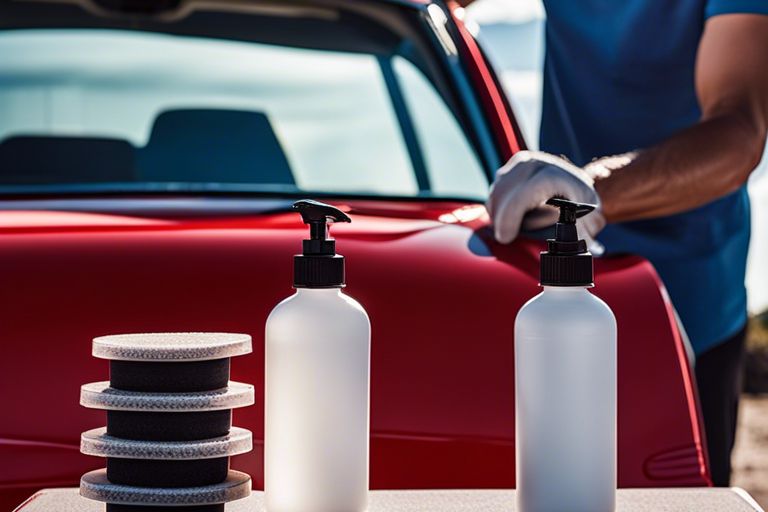
Buffing pads are crucial for buffing out the scratch and restoring the shine to the affected area. These pads come in various materials and levels of abrasiveness, so it is essential to choose the right one for the job. I recommend using a high-quality, appropriately sized buffing pad that is compatible with your compound for the best results.
Protective Gear
Protective gear is important to ensure your safety while working on your car. This includes wearing gloves to protect your hands from any harsh chemicals in the compound, as well as safety goggles to shield your eyes from any debris or splatter during the buffing process. Additionally, wearing a mask is also recommended to protect your respiratory system from any dust or particles that may be released during sanding.
I highly recommend using protective gear at all times to prevent any potential harm during the DIY auto body repair process.
Buffing the Scratch Out
To begin the process of buffing out a scratch on your car, you will need to gather the necessary materials. A microfiber cloth, rubbing compound, and a buffer pad are essential to effectively remove the scratch. If you are unsure of which products to use, I recommend checking out 3 Ways to Remove Scratches from a Car for some helpful guidance.
Step-by-Step Process
When buffing out a scratch on your car, it is important to follow a systematic approach to ensure a successful outcome. Here is a step-by-step breakdown of the process:
| Step 1: | Clean the area around the scratch thoroughly with a mild soap and water to remove any dirt or debris. |
| Step 2: | Apply a small amount of rubbing compound to the scratch using a microfiber cloth, and gently rub the compound in a circular motion. |
| Step 3: | Buff the area with a buffer pad to smooth out the compound and blend it with the surrounding paint. |
| Step 4: | Wipe the area with a clean microfiber cloth to remove any excess compound and reveal the newly buffed surface. |
Tips for an Even Finish
When buffing out a scratch on your car, it’s important to strive for a smooth and even finish. Here are some key tips to keep in mind:
- Use light pressure: Apply gentle pressure when rubbing the compound and buffing the area to avoid causing further damage to the paint.
- Work in small sections: Focus on one small area at a time to ensure thorough coverage and a consistent finish.
- Use quality products: Investing in high-quality rubbing compound and buffer pads can make a significant difference in the final result.
Knowing these tips and following them diligently will help you achieve an impressive and flawless finish on your car.
To wrap up
Now that you have learned the DIY auto body repair technique of buffing scratches out of a car, you have the knowledge and skills to effectively remove minor scratches and blemishes from your vehicle’s paint. Remember to always start with a clean and dry surface, and to use gentle pressure when buffing to avoid causing further damage. For more tips and tricks on car maintenance and repair, check out this helpful article on 6 Hacks To Remove Scratches From A Car.
FAQ
Q: What is buffing a scratch out of a car?
A: Buffing a scratch out of a car refers to the process of using a rotary or orbital buffer with a polishing compound to remove surface scratches from the car’s paint.
Q: Can I buff out scratches on my car myself?
A: Yes, you can buff out surface scratches on your car yourself using the right tools and techniques. However, deeper scratches may require professional help.
Q: What tools and materials do I need for buffing out scratches?
A: You will need a rotary or orbital buffer, polishing compound, microfiber towels, car wax, and a scratch removal product if the scratch is deep.
Q: How do I buff out a scratch on my car?
A: First, clean the area around the scratch and apply the polishing compound to the pad on your buffer. Then, gently work the buffer over the scratch in a back-and-forth motion until the scratch is removed. Finally, apply car wax to protect the area.
Q: Are there any risks associated with buffing out scratches on my car?
A: There is a risk of damaging the paint if not done properly, or making the scratch worse if it is too deep. It’s important to follow the correct techniques and use the right products to avoid causing further damage to your car’s paint.

-
 Entertainment2 years ago
Does The Rock Have a Twin Brother? Exploring Celebrity Family Facts
-
 Lifestyle2 years ago
How Long Does a Killer Whale Live – What's Their Average Lifespan?
-
 Lifestyle2 years ago
How Many Hairs Are on a Human Head? Understanding Hair Density
-
 Lifestyle2 years ago
What Is an Industrial Plant? Exploring Industrial Facilities
-
 Technology2 years ago
How Far Can a Human Eye See – What's the Maximum Range?
-
 Lifestyle2 years ago
North Carolina Education Lottery App – Playing Lottery Games on Mobile
-
 Technology2 years ago
How Many People Can Solve a Rubik's Cube – Is It a Common Skill?
-
 Technology2 years ago
Is Dr. Pepper a Coke Product – Who Manufactures It?