
Health
Can an Aspirin Lower Blood Pressure? Medical Uses of Aspirin

Conventional wisdom suggests that aspirin is mainly used to relieve pain and reduce inflammation, but did you know that it also has medical uses that go beyond these well-known benefits? In this blog post, I will explore the potential blood pressure-lowering properties of aspirin and its other medical uses that you may not be aware of. To learn more about the role of aspirin in managing blood pressure, visit Does Aspirin Lower Blood Pressure? for more information.
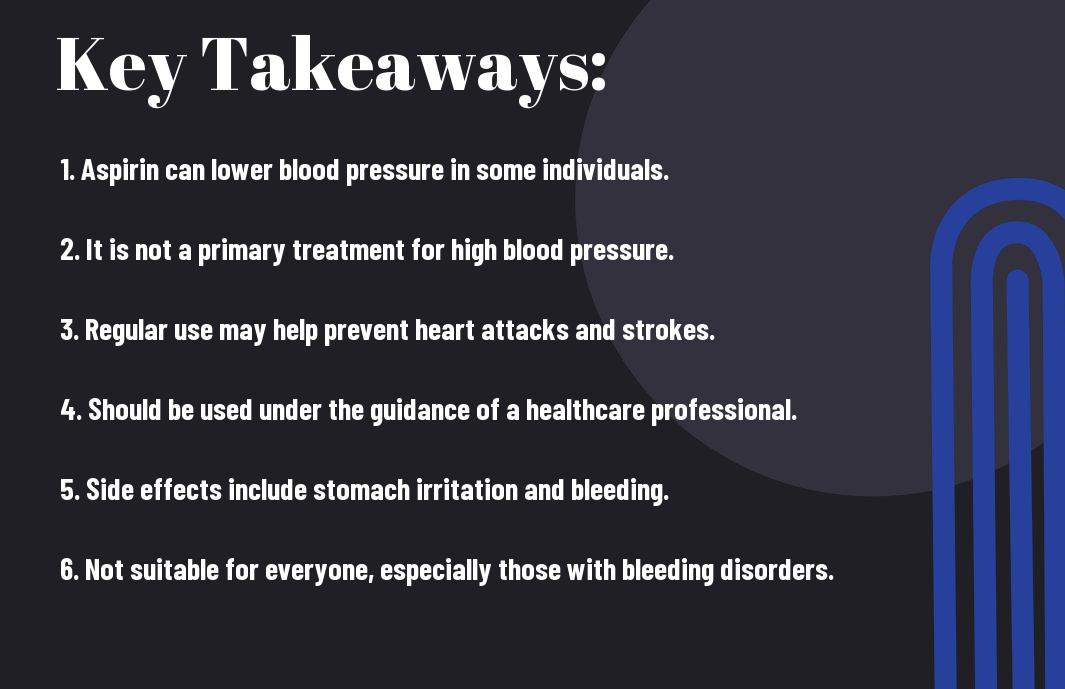
Key Takeaways:
- Aspirin may help lower blood pressure in certain individuals, particularly those with high blood pressure or at risk for heart disease.
- Low-dose aspirin is often recommended for preventing heart attacks and strokes, but its ability to lower blood pressure is not as well-established.
- Regular use of aspirin for blood pressure management should only be done under the guidance of a healthcare professional, as it can have side effects and interactions with other medications.
- Aspirin’s anti-inflammatory properties may contribute to its potential role in lowering blood pressure, but more research is needed to fully understand this connection.
- Alternative lifestyle changes and medications should also be considered for managing high blood pressure, and aspirin should not be relied upon as the sole treatment.
Mechanism of Action
Some people wonder how aspirin can lower blood pressure or be used for other medical purposes. Aspirin’s main mechanism of action is its ability to inhibit the production of prostaglandins, which are hormone-like substances that contribute to pain, fever, and inflammation in the body. Aspirin achieves this by blocking the activity of an enzyme called cyclooxygenase, or COX. This action not only helps to relieve pain and reduce fever but also makes aspirin effective in preventing blood clots, which can lead to heart attacks and strokes. If you’re interested in knowing more about the medical uses of low-dose aspirin for heart health, you can read my blog post Is taking low-dose aspirin good for your heart?
Aspirin’s role in reducing inflammation
Aspirin’s ability to inhibit prostaglandin production plays a crucial role in reducing inflammation in the body. Inflammation is the body’s natural response to injury or infection, but when it becomes chronic, it can lead to various health issues, including cardiovascular disease. By inhibiting the production of prostaglandins, aspirin helps to reduce inflammation, which in turn can have a positive impact on overall heart health. It is important to note that while aspirin’s anti-inflammatory properties can be beneficial, long-term use of high doses of aspirin can lead to gastrointestinal issues and other potential side effects.
Aspirin’s impact on blood vessel function
In addition to reducing inflammation, aspirin also has an impact on blood vessel function. It can help to prevent the formation of blood clots by interfering with the clumping of platelets, which are small cell fragments in the blood that play a crucial role in blood clotting. This property of aspirin makes it effective in preventing heart attacks and strokes, as it helps to keep the blood flowing smoothly through the vessels. However, it is important to use aspirin as directed by a healthcare professional, as improper use or overuse can lead to serious complications such as gastrointestinal bleeding or hemorrhagic stroke.
Medical Uses of Aspirin
One of the most well-known over-the-counter medications is aspirin. While often used for pain relief, aspirin also has several medical uses. It is a versatile medication that is commonly used in the treatment and prevention of various health conditions, including heart disease, strokes, and even certain types of cancer.
Aspirin in the treatment of heart disease
Aspirin is commonly used in the treatment of heart disease, particularly in the management of acute heart attacks and unstable angina. When taken during a heart attack, aspirin can help to prevent the formation of blood clots, which can worsen the condition. Additionally, it is often prescribed for individuals who have had coronary artery bypass surgery or angioplasty to keep their blood flowing smoothly. This is because aspirin works as a blood thinner, preventing clot formation and reducing the risk of further heart complications.
Aspirin in the prevention of strokes
Another important medical use of aspirin is in the prevention of strokes. Aspirin can be effective in reducing the risk of ischemic strokes, which occur when a blood clot blocks blood flow to the brain. By inhibiting the formation of blood clots, aspirin can help to prevent these types of strokes from occurring. It is important to note that while aspirin can be effective in preventing strokes, it should only be used under the guidance of a healthcare professional, as it can also increase the risk of bleeding, which can be dangerous in some cases.
In summary, medication that can lower blood pressure and prevent blood clots. It should be taken under doctor’s supervision.

Risks and Side Effects
Now, let’s talk about the potential risks and side effects of taking aspirin. While aspirin is widely used and has many benefits, it is not without its downsides. It’s important to be aware of these risks before using aspirin as a medical treatment.
Gastrointestinal complications from aspirin
One of the most well-known risks of taking aspirin is the potential for gastrointestinal complications. Aspirin can cause irritation and even damage to the lining of the stomach and intestines. This can lead to symptoms such as stomach pain, nausea, and even gastrointestinal bleeding. It’s important to be cautious when using aspirin, especially if you have a history of gastrointestinal issues. It’s also crucial to take aspirin with food to help mitigate its potential effects on the stomach.
Allergic reactions and other potential risks
In addition to gastrointestinal complications, aspirin can also trigger allergic reactions in some individuals. This can range from mild symptoms such as hives and itching to more severe reactions like anaphylaxis. It’s also worth noting that aspirin can interact with other medications, leading to potential complications. For example, using aspirin alongside blood thinners can increase the risk of bleeding. If you have a history of allergies or are taking other medications, it’s essential to consult with a healthcare professional before starting aspirin therapy.
Can an Aspirin Lower Blood Pressure? Medical Uses of Aspirin
Drawing together the evidence presented in this research, it is clear that aspirin can indeed have a time-dependent effect on blood pressure. While the mechanism of this effect is not fully understood, the findings suggest that aspirin can lower blood pressure, particularly in the morning. This has important implications for the medical uses of aspirin, particularly in individuals with hypertension. To learn more about the time-dependent effects of aspirin on blood pressure, you can read the full research article here.
FAQ
Q: Can aspirin lower blood pressure?
A: Aspirin is not typically used to lower blood pressure. It is primarily used as a pain reliever and to reduce inflammation. It is not a first-line treatment for high blood pressure. If you have high blood pressure, consult with your healthcare provider for appropriate medication and lifestyle recommendations.
Q: What are the medical uses of aspirin?
A: Aspirin is commonly used to relieve mild to moderate pain, such as headaches, toothaches, and muscle aches. It is also used to reduce fever and inflammation. Additionally, low-dose aspirin is prescribed to prevent heart attacks and strokes in those at risk for cardiovascular disease.
Q: Can aspirin be used as a substitute for blood pressure medication?
A: Aspirin is not a substitute for blood pressure medication. While it is known to have cardiovascular benefits, it does not effectively lower blood pressure. Individuals with high blood pressure should follow the prescribed treatment plan recommended by their healthcare provider.
Q: Are there any risks associated with taking aspirin?
A: Yes, aspirin can increase the risk of bleeding, especially when taken in high doses or for long periods. It may also cause stomach irritation and ulcers. Individuals with certain medical conditions, such as bleeding disorders or asthma, should avoid aspirin or use it under the guidance of a healthcare professional.
Q: How should I use aspirin for its medical benefits?
A: When using aspirin for pain relief or to reduce fever, follow the dosage instructions on the label or as directed by a healthcare provider. For cardiovascular benefits, low-dose aspirin is typically recommended for those at risk for heart attacks and strokes. It is important to consult with a healthcare professional before starting or stopping aspirin therapy. Never use aspirin for a child or teenager with a fever, as it can lead to a rare but serious condition called Reye’s syndrome.

-
 Entertainment2 years ago
Does The Rock Have a Twin Brother? Exploring Celebrity Family Facts
-
 Lifestyle2 years ago
How Long Does a Killer Whale Live – What's Their Average Lifespan?
-
 Lifestyle2 years ago
How Many Hairs Are on a Human Head? Understanding Hair Density
-
 Lifestyle2 years ago
What Is an Industrial Plant? Exploring Industrial Facilities
-
 Technology2 years ago
How Far Can a Human Eye See – What's the Maximum Range?
-
 Lifestyle2 years ago
North Carolina Education Lottery App – Playing Lottery Games on Mobile
-
 Technology2 years ago
How Many People Can Solve a Rubik's Cube – Is It a Common Skill?
-
 Technology2 years ago
Is Dr. Pepper a Coke Product – Who Manufactures It?