
Lifestyle
What Is a Board Book? Exploring Children's Literature Formats

Perusing the vast array of children’s books, one may come across a lesser-known format known as a board book. If you’re not familiar with this term, you’re not alone. But fear not, as I’m here to shed some light on this wonderful format that is gaining popularity in the world of children’s literature. In this blog post, I’ll explore the important features of board books, highlight their differences from other formats, and provide valuable insights into why they are a valuable addition to any child’s library. If you’re also curious about the difference between board books and hardcover books, check out The Difference Between Board Books & Hardcover to gain a comprehensive understanding of these two formats.
Key Takeaways:
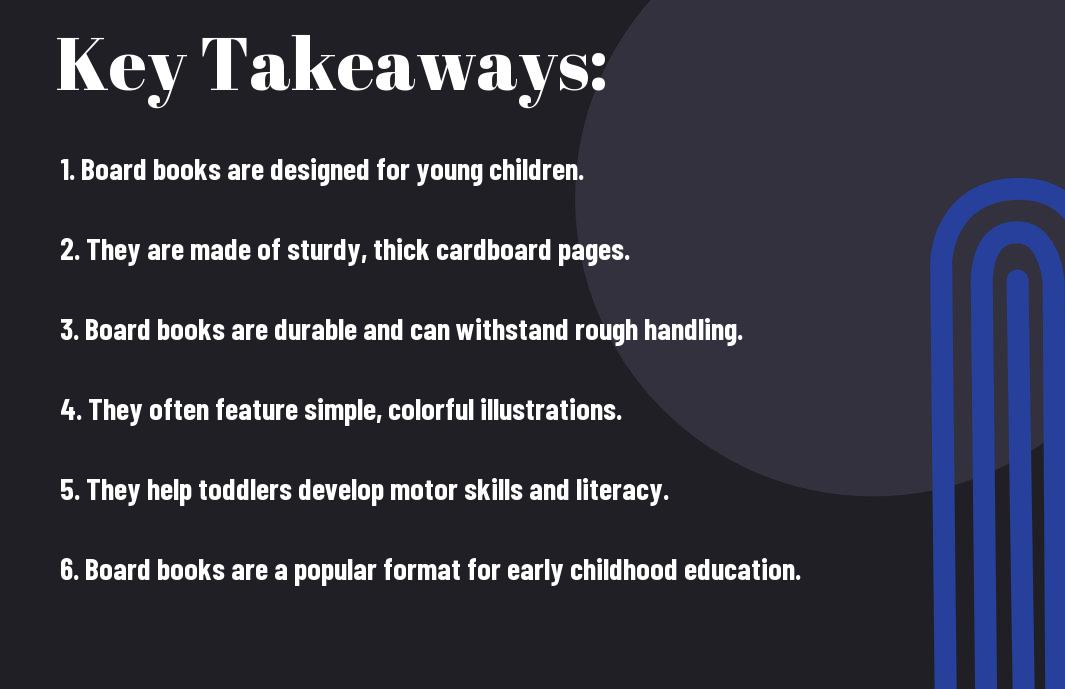
- Sturdy and durable: Board books are made with sturdy, thick pages that are perfect for young children who may not have developed the fine motor skills to handle regular paper pages.
- Designed for exploration: Board books often include interactive elements such as flaps, textures, and bright colors that engage young children and encourage active participation in the reading experience.
- Short and simple: These books usually have brief, simple stories or concepts that are ideal for the short attention spans of infants and toddlers.
- Introduction to literacy: Board books help to introduce young children to the world of literature and develop a love for reading from an early age.
- Popular for gifting: Board books are popular choices for baby showers, birthdays, and other special occasions as they make great gifts for young children.
What Is a Board Book?
A board book is a type of children’s book that is printed on thick, sturdy pages made of paperboard or cardboard. These books are designed for young children, typically ages 0-3, who are still learning how to handle books. The board book format is perfect for little hands that may not yet be gentle with delicate pages. Board books are also known for their durability and ability to withstand wear and tear, making them an excellent choice for babies and toddlers.
Definition and Characteristics
Board books are defined by their unique construction, featuring thick, durable pages that are resistant to tearing and creasing. Their compact size and rounded corners are designed to be safe for small children to handle, and the pages are often coated for easy cleaning. Board books also often feature simple, colorful illustrations and basic text, making them perfect for introducing young children to the world of reading and storytelling.
History and Evolution
Board books have a long history, with some of the earliest examples dating back to the 18th century. However, the format as we know it today really came into its own in the mid-20th century, as publishers began to recognize the need for books that could withstand the rough treatment they were likely to receive from young children. Since then, board books have continued to evolve, with publishers finding new ways to engage and educate young readers through this durable and accessible format.
Exploring Children’s Literature Formats
Assuming you are not familiar with the world of children’s literature, you might not know about the various formats available to readers, especially young ones. There are picture books, pop-up books, and board books, among others. Each format has its own unique characteristics and benefits, catering to different age groups and developmental needs. In this blog post, I will explore the board book format specifically, shedding light on its distinct features and why it is an important part of children’s literature.
Comparison with Other Formats (e.g. Picture Books, Pop-up Books)
When comparing board books with other formats like picture books and pop-up books, it’s important to consider the differences in durability, interactivity, and target age group. I’ve broken down the comparison into a table for easier understanding:
| Feature | Board Books |
| Durability | Thick, sturdy pages made for little hands |
| Interactivity | Limited interactivity due to the sturdy pages |
| Target Age Group | Generally for infants and toddlers |
Benefits and Importance in Early Childhood Development
Board books play a crucial role in early childhood development, offering a range of benefits that contribute to a child’s cognitive and emotional growth. The sturdy pages and simple narratives help young readers build essential skills while fostering a love for reading. Through tactile exploration, children develop fine motor skills as they turn the pages and touch different textures. Additionally, the repetitive nature of board books promotes language development and memory retention, laying a strong foundation for future literacy skills.
Creating and Publishing Board Books
After completing the writing and editing process, it is important to consider the next steps in creating and publishing a board book. As an author or publisher, there are several factors to take into account, including design and illustration considerations, as well as marketing and distribution strategies. Each of these elements is crucial to the success of a board book, and requires careful attention and planning.
Design and Illustration Considerations
When creating a board book, it is essential to pay close attention to the design and illustration aspects. The durable nature of board books means that they are often handled by very young children, who may not yet have developed the fine motor skills necessary to turn pages carefully. As such, board book design should prioritize sturdiness and ease of use. Illustrations should be vibrant, engaging, and age-appropriate, with a focus on simple, bold images that capture the attention of young readers. Additionally, the layout of the book should be carefully considered, with each page featuring clear, uncluttered designs that are easy for children to focus on.
Marketing and Distribution
Once the board book is created, it is important to consider how it will be marketed and distributed to reach its intended audience. Targeting the right demographic is key, as board books are typically designed for babies and toddlers. This may involve partnering with retailers that cater to young families, such as baby stores and children’s boutiques. Additionally, developing a strong online presence through e-commerce platforms and social media can help to expand the reach of the board book and connect with potential readers. Distribution channels should also be carefully chosen to ensure that the book is readily available to parents and caregivers.
Conclusion
Presently, board books are an essential part of children’s literature and play a significant role in early childhood development. Through their durable and interactive design, board books provide young readers with a unique tactile experience that engages their senses and supports their cognitive growth. As I have explored in this article, board books are specially tailored to meet the needs of infants and toddlers, making them an invaluable tool for fostering a love of reading from an early age. Whether you are a parent, educator, or simply a lover of children’s literature, understanding the format and purpose of board books is essential for selecting the best books for your little ones. I hope this exploration has provided you with valuable insight into the world of board books and their importance in shaping a child’s literary journey.
FAQ
Q: What is a board book?
A: A board book is a type of children’s book printed on thick, durable pages made of cardboard. They are designed to withstand the rough handling of infants and toddlers, making them an ideal introduction to reading for the youngest of readers.
Q: What age group are board books intended for?
A: Board books are designed for infants and toddlers, typically ranging in age from 6 months to 3 years. They are perfect for little ones who are just beginning to explore the world of books and reading.
Q: What are the benefits of board books for young children?
A: Board books are beneficial for young children in several ways. They are durable and easy for small hands to hold and manipulate, they often feature simple and engaging illustrations that can help with early visual development, and they introduce basic concepts such as shapes, colors, and animals in an accessible way.
Q: Can board books help with language development in young children?
A: Yes, board books can play an important role in language development for young children. They often feature simple and repetitive text, which can help build vocabulary and comprehension skills. Additionally, reading board books aloud to children can help them become familiar with the rhythms and cadences of language.
Q: Are board books only used for educational purposes?
A: While board books certainly have educational benefits for young children, they also serve as an important tool for bonding and interaction between caregivers and children. The act of reading together can create warm and nurturing experiences that can foster a love of books and reading from an early age.

-
 Entertainment2 years ago
Does The Rock Have a Twin Brother? Exploring Celebrity Family Facts
-
 Lifestyle2 years ago
How Long Does a Killer Whale Live – What's Their Average Lifespan?
-
 Lifestyle2 years ago
How Many Hairs Are on a Human Head? Understanding Hair Density
-
 Lifestyle2 years ago
What Is an Industrial Plant? Exploring Industrial Facilities
-
 Technology2 years ago
How Far Can a Human Eye See – What's the Maximum Range?
-
 Lifestyle2 years ago
North Carolina Education Lottery App – Playing Lottery Games on Mobile
-
 Technology2 years ago
How Many People Can Solve a Rubik's Cube – Is It a Common Skill?
-
 Technology2 years ago
Is Dr. Pepper a Coke Product – Who Manufactures It?