
Lifestyle
How to Get an Allodial Title – Understanding Land Ownership Rights

Eschewing the standard form of land ownership, obtaining an allodial title grants you the highest form of ownership over a piece of land. As I navigate the complexities surrounding land ownership rights, I am aware of the risks and benefits associated with pursuing an allodial title. In this blog post, I will guide you through the process of acquiring an allodial title, while also imparting crucial knowledge about the risks and rewards that come with it. It is essential to understand the potential challenges and the significant benefits that an allodial title can bring, and I am here to share my expertise on the matter.
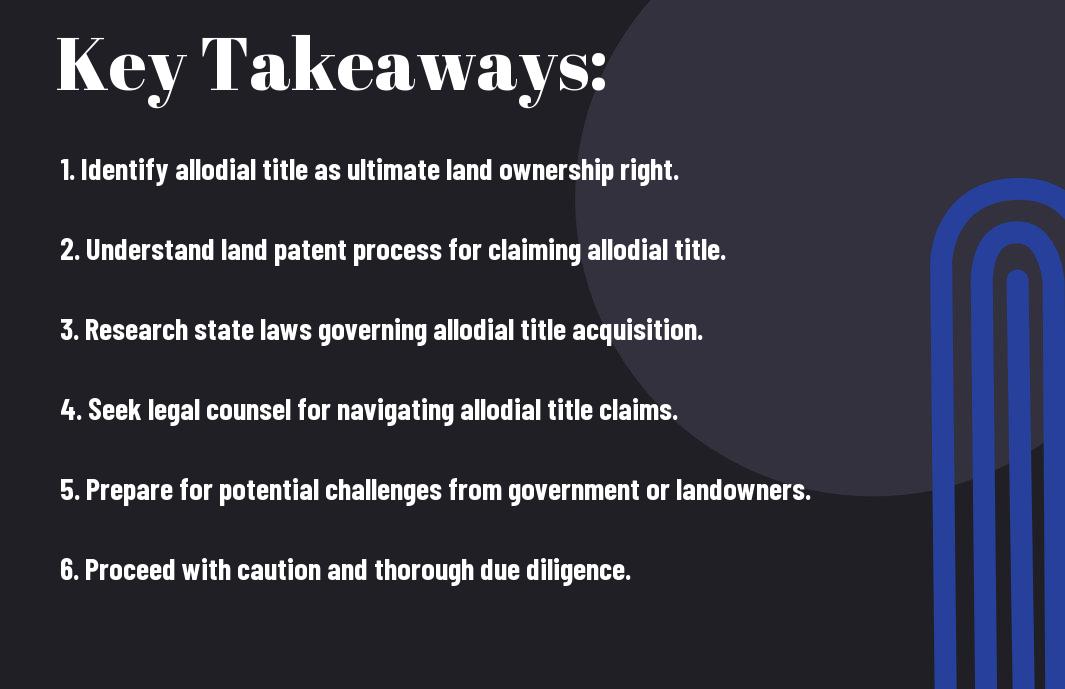
Key Takeaways:
- Allodial title is the highest form of land ownership, giving the holder complete and unrestricted rights over the property.
- Understanding the concept of allodial title is crucial for property owners, as it ensures clarity about their ownership rights and responsibilities.
- Obtaining an allodial title often involves extensive legal procedures, including proving a clear chain of ownership and satisfying any outstanding liens or claims on the property.
- While allodial title is not common in the United States, it is an important concept in property law and can have significant implications for landowners.
- Property owners should consult with legal experts to fully understand their land ownership rights and explore the possibility of obtaining an allodial title for their property.
Understanding Land Ownership Rights
For anyone interested in land ownership, it’s essential to understand the different types of land ownership rights that exist. Whether you’re a homeowner, investor, or simply curious, knowing the nuances of land ownership can help you make informed decisions about property. In this chapter, I will delve into the concept of allodial title, its significance, and the differences between allodial title and fee simple title.
What is Allodial Title?
When it comes to land ownership, allodial title is the highest form of ownership one can have. It represents absolute ownership of land, free from any superior landlord. With allodial title, you have unrestricted rights to use and dispose of your property as you see fit. In essence, it means that you own the land outright, without any encumbrances or limitations imposed by a landlord or government entity. Allodial title grants absolute control over the land, allowing you to pass it on to future generations without external interference.
Differences Between Allodial Title and Fee Simple Title
While allodial title and fee simple title are often used interchangeably, there are some key differences between the two. Fee simple title, commonly referred to as freehold estate, grants the holder absolute ownership of the land, but subject to the superior landlord, typically the government. On the other hand, allodial title provides complete sovereignty over the land, free from any external claims. This means that while fee simple title comes with certain limitations and obligations, allodial title bestows the owner with unrestricted rights and control over the property.

How to Obtain an Allodial Title
If you are interested in obtaining an allodial title, there are specific steps you can take to pursue this unique form of land ownership. An allodial title grants you full ownership rights to a piece of land, free from any superior landlord or government. Keep in mind that the process can be complex and the laws surrounding allodial titles vary by state. It’s important to seek legal guidance to navigate through the process. For more detailed information on allodial titles, you can visit Ben Mergui Law’s Allodial Title resource page.
Researching History of Land Ownership
Before pursuing an allodial title, it’s essential to research the history of land ownership for the property in question. You need to understand the chain of title and any previous ownership claims. Look for any past conveyances, liens, or encumbrances that may affect the property’s title. This will help you determine if the property qualifies for an allodial title and if there are any potential obstacles you may encounter during the process. It’s crucial to gather as much historical documentation as possible to strengthen your case for an allodial title.
Filing a Quiet Title Action
One common method to obtain an allodial title is through a quiet title action. This legal process involves filing a lawsuit to establish your claim to the property and to clear any competing claims or interests. As the plaintiff, you must demonstrate that you have a superior interest in the property and that there are no other legitimate claims to the title. Be prepared for potential challenges from other parties who may contest your claim, as quiet title actions can be contentious and time-consuming. It’s essential to work with a knowledgeable attorney who can guide you through the legal proceedings and advocate for your ownership rights.
Implications and Benefits of Allodial Title
Keep in mind that owning an allodial title grants you the highest form of land ownership possible, with allodial title being the most superior type of ownership. This means that you have the absolute right to possess, use, and dispose of the land as you wish, without any interference from the government or any other entity.
Rights and Freedoms of Allodial Ownership
With allodial ownership, you have the freedom to develop your land in any way you see fit, without any zoning restrictions or regulations that may hinder your plans. You are also free from property taxes, as the land is wholly owned by you and not subject to taxation. This level of ownership provides unmatched security and independence, giving you the peace of mind that your property rights are unassailable.
Tax and Development Considerations
One of the most significant benefits of having an allodial title is the relief from property taxes. This can lead to substantial savings over time, as you are not required to pay annual taxes on your land. Additionally, the ability to develop your land without government interference allows you to maximize its potential value and use it to suit your needs, whether for residential, commercial, or other purposes. However, it is important to carefully consider the potential infrastructure costs and maintenance that come with unfettered development, as these responsibilities fall entirely on the allodial title holder.
Overall, understanding the implications and benefits of an allodial title is crucial for anyone seeking to secure the most robust form of land ownership and exercise complete control over their property. The rights and freedoms that come with allodial ownership can provide unparalleled security and independence, and the relief from property taxes is a significant financial advantage. However, it’s essential to carefully consider the responsibilities that come with this level of ownership, particularly in terms of development and maintenance.
Conclusion
So, in conclusion, understanding the concept of allodial title and land ownership rights is crucial for anyone who wants to truly own their property. By having an allodial title, you have the ultimate ownership rights over your land, free from any claims or encumbrances by external parties. Educating yourself on the legal and historical aspects of allodial title can empower you to protect and assert your rights as a landowner. Remember, the more informed you are about your property rights, the better equipped you’ll be to navigate any potential disputes or challenges that may arise.
FAQ
Q: What is an allodial title?
A: An allodial title is a form of land ownership where the holder has absolute ownership of the land, free from any superior or sovereign authority.
Q: How can I obtain an allodial title?
A: Obtaining an allodial title typically involves proving legal ownership of the property and petitioning the government for a grant of allodial title. This process may vary depending on the jurisdiction.
Q: What are the benefits of holding an allodial title?
A: Holding an allodial title provides a greater degree of control and autonomy over the land, as it is not subject to the same taxation or regulation as other forms of land ownership.
Q: Are there any restrictions or limitations to holding an allodial title?
A: While allodial title holders have significant freedom in how they use and develop their land, there may still be certain zoning or environmental regulations that apply to all properties, regardless of ownership type.
Q: Is it possible to convert an existing land title to an allodial title?
A: In some cases, it may be possible to petition for a conversion of an existing land title to an allodial title, but this process can be complex and may require legal counsel to navigate successfully.

-
 Entertainment2 years ago
Does The Rock Have a Twin Brother? Exploring Celebrity Family Facts
-
 Lifestyle2 years ago
How Long Does a Killer Whale Live – What's Their Average Lifespan?
-
 Lifestyle2 years ago
How Many Hairs Are on a Human Head? Understanding Hair Density
-
 Lifestyle2 years ago
What Is an Industrial Plant? Exploring Industrial Facilities
-
 Technology2 years ago
How Far Can a Human Eye See – What's the Maximum Range?
-
 Lifestyle2 years ago
North Carolina Education Lottery App – Playing Lottery Games on Mobile
-
 Technology2 years ago
How Many People Can Solve a Rubik's Cube – Is It a Common Skill?
-
 Technology2 years ago
Is Dr. Pepper a Coke Product – Who Manufactures It?