
Lifestyle
How to Tell if an Avocado Is Bad – Identifying Spoiled Avocados

Have you ever found yourself eagerly cutting into an avocado, only to discover that it is past its prime and inedible? In this post, I will share with you the key signs to look for when determining if an avocado has gone bad. When it comes to avocados, it can be difficult to know if they are ripe and ready to eat, or if they have started to spoil. Identifying spoiled avocados is crucial for avoiding the potential health risks associated with consuming a bad avocado. I will provide you with essential tips and tricks for ensuring that the avocados you purchase are of the highest quality. By the end of this post, you will have the knowledge and confidence to easily identify spoiled avocados, making it easier to enjoy this delicious and nutritious fruit.
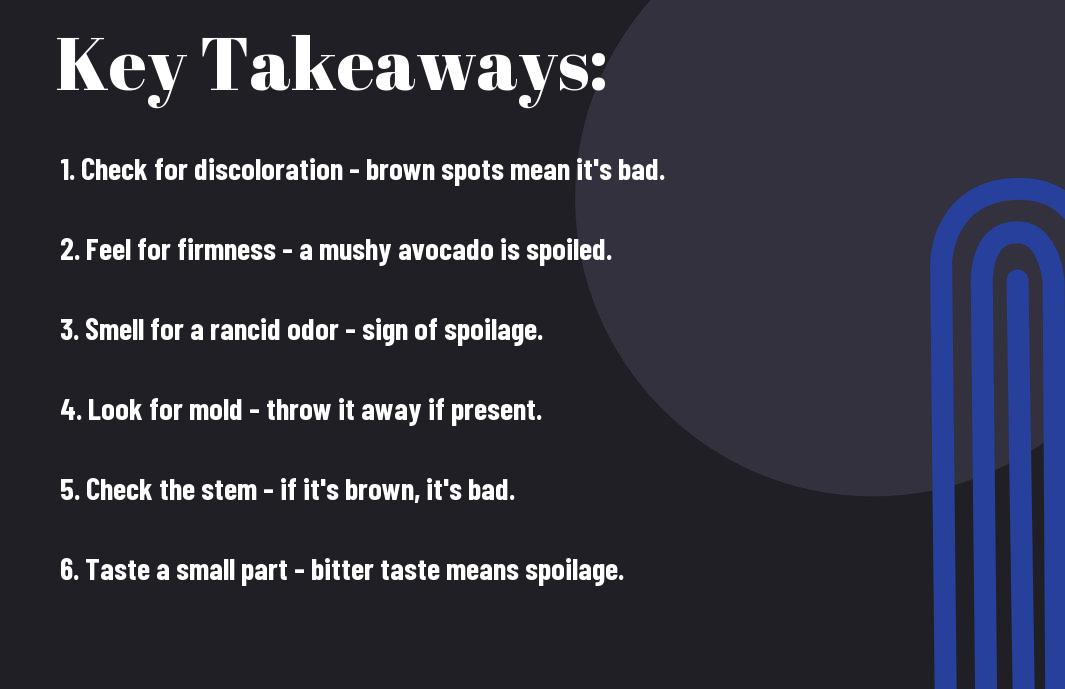
Key Takeaways:
- Check for color changes: A ripe avocado should have a dark green to almost black color. If the avocado is turning brown or has dark spots, it is likely bad.
- Feel the texture: A good avocado should be firm but yield to gentle pressure. If the avocado feels overly mushy or too hard, it may be spoiled.
- Inspect the skin: Look for any cracks, sunken areas, or mold on the skin of the avocado. These are all signs of spoilage.
- Smell the avocado: A ripe avocado should have a subtle, nutty aroma. If it smells sour or off-putting, it is best to discard it.
- Consider the stem: If you can easily remove the stem of the avocado and the area underneath is brown, the fruit is overripe and potentially bad.
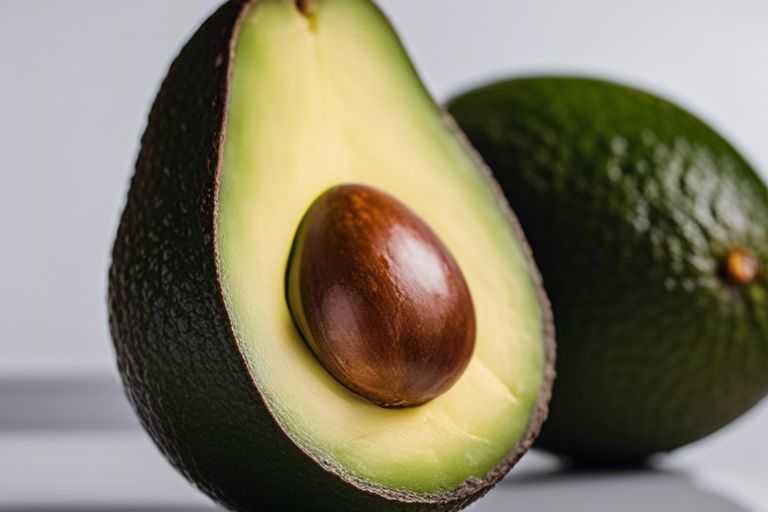
Physical Signs of Spoilage
The physical appearance of an avocado can tell you a lot about its freshness. How do I know if avocado has gone bad? Here are a few key things to look for when assessing the condition of your avocado.
Discoloration
One of the most obvious signs that an avocado has gone bad is the presence of dark or mushy spots on the skin. As avocados begin to spoil, they may develop brown or black patches that indicate deterioration. These can be soft to the touch and may even cause the skin to appear wrinkled. If you notice any of these discolorations, it’s best to discard the avocado to avoid consuming any rotten or moldy parts.
Texture Changes
Another way to tell if an avocado is bad is by its texture. A ripe, fresh avocado should feel slightly firm when gently squeezed, but not too soft. If the avocado feels overly mushy or has areas of extreme softness, it’s likely past its prime and should be discarded. Additionally, any slimy or excessively wet patches on the skin could indicate texture changes associated with spoilage.
Smell and Taste
Assuming visual examination doesn’t reveal any obvious signs of spoilage, the next step in determining whether an avocado has gone bad is to rely on your sense of smell and taste. These two senses can often pinpoint the presence of spoilage even when there are no visible signs.
Foul Odor
If you notice a foul or rancid odor emanating from the avocado, it is a clear indication that it has spoiled. The smell will be unmistakable and off-putting, making it unsafe to consume. Trust your sense of smell when it comes to identifying a bad avocado.
Bitter Taste
When you take a bite of an avocado and notice a bitter or unpleasant taste, it’s a strong indication that the fruit has gone bad. Your taste buds will immediately recognize the off-flavor, giving you a clear signal to discard the avocado. Consuming spoiled avocados can lead to gastrointestinal discomfort and other health issues, so it’s important to pay attention to the taste.
Mold and Bacteria
Unlike some other fruits, avocados are particularly prone to mold and bacteria growth due to their high fat content. This means that they can go bad quite quickly if not properly stored. While some molds are harmless and can simply be cut away from the fruit, others can produce dangerous mycotoxins that can cause illness if consumed. To learn more about whether an overripe avocado is safe to eat, take a look at Can You Eat Overripe Avocado?
Visual Mold
One way to tell if your avocado has gone bad is to look for visual signs of mold. If you notice any dark spots or a white, powdery coating on the skin or flesh of the avocado, it is likely spoiled and should be discarded. Mold can also appear as a black, stringy substance on the inside of the fruit.
Sliminess
Another indication of a spoiled avocado is a slimy texture. If the flesh of the avocado feels overly soft, mushy, or slimy to the touch, it is a sign that the fruit has started to deteriorate. Pay attention to the texture of the avocado when gently pressing on the skin – any excessive softness or squishiness is a clear indication that it is no longer safe to eat.
How to Tell if an Avocado Is Bad – Identifying Spoiled Avocados
Now that you know how to identify a bad avocado, you can confidently choose the perfect ones every time. Remember to pay attention to the color, texture, and smell of the avocado to determine its freshness. By following these simple tips, you can avoid the disappointment of cutting into a spoiled avocado and ensure that you enjoy the best flavor and quality from your avocados.
FAQ
Q: How can I tell if an avocado is bad?
A: You can tell if an avocado is bad by looking for dark, sunken spots or patches on the skin. Ripe avocados should have a firm skin, but if it feels excessively soft and mushy, it is likely bad. Additionally, if the avocado gives off a sour smell or has a brown color on the inside, it is spoiled.
Q: Can I still eat an avocado that has brown spots on the inside?
A: It is advised not to eat an avocado with brown spots on the inside, as this is a sign of spoilage. The texture and taste of the avocado may be affected, and there is a risk of foodborne illness.
Q: How long can I keep a ripe avocado before it goes bad?
A: A ripe avocado can be kept at room temperature for 1-2 days before it starts to spoil. If you want to extend its shelf life, you can store it in the refrigerator for an additional 2-3 days.
Q: Are there any signs of spoilage to look for in a cut avocado?
A: When an avocado is cut open, signs of spoilage may include a brown or grayish color, unusual texture, and a sour smell. If you notice any of these signs, it is best to discard the avocado.
Q: Can I freeze avocados to prevent them from going bad?
A: Yes, you can freeze avocados to prolong their shelf life. Simply scoop out the flesh, place it in an airtight container, and freeze. However, it is important to note that the texture may change slightly once thawed, becoming somewhat mushy.

-
 Entertainment2 years ago
Does The Rock Have a Twin Brother? Exploring Celebrity Family Facts
-
 Lifestyle2 years ago
How Long Does a Killer Whale Live – What's Their Average Lifespan?
-
 Lifestyle2 years ago
How Many Hairs Are on a Human Head? Understanding Hair Density
-
 Lifestyle2 years ago
What Is an Industrial Plant? Exploring Industrial Facilities
-
 Technology2 years ago
How Far Can a Human Eye See – What's the Maximum Range?
-
 Lifestyle2 years ago
North Carolina Education Lottery App – Playing Lottery Games on Mobile
-
 Technology2 years ago
How Many People Can Solve a Rubik's Cube – Is It a Common Skill?
-
 Technology2 years ago
Is Dr. Pepper a Coke Product – Who Manufactures It?