
Health
How to Fix a Cracked Tooth – What Are My Options?

Dealing with a cracked tooth can be a daunting experience, but it’s crucial to address the issue promptly to avoid further damage and complications. If left untreated, a cracked tooth can lead to infection, severe pain, and even tooth loss. Fortunately, there are several options available for fixing a cracked tooth, depending on the severity of the damage. In this blog post, I will discuss the different treatment options for a cracked tooth and provide you with valuable information to help you make an informed decision about your dental health. From dental bonding and crowns to root canals and extractions, I will guide you through the various options and their implications, so you can find the best solution for your specific situation. Trust me, you don’t want to ignore a cracked tooth – taking the right steps now can save you from a lot of trouble down the road.
Key Takeaways:
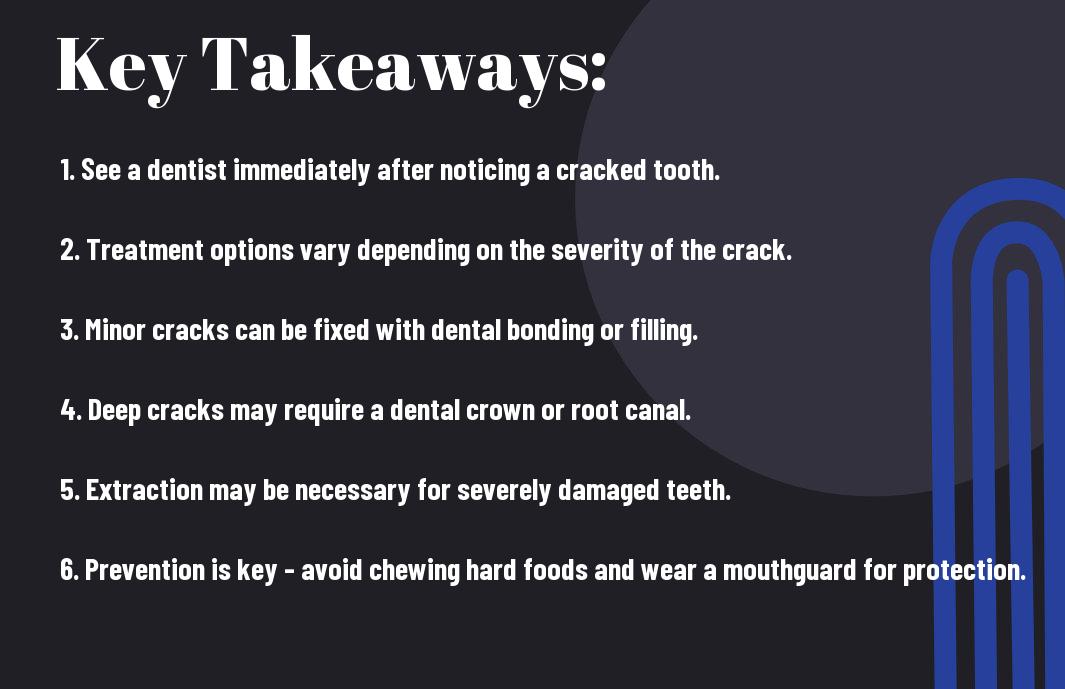
- Early Intervention is Key: If you have a cracked tooth, seeking treatment promptly can prevent further damage and the need for more invasive procedures.
- Options for Repair: The most common options for fixing a cracked tooth include dental bonding, a dental crown, root canal therapy, or tooth extraction.
- Professional Evaluation is Essential: A dentist will assess the extent of the crack and recommend the most suitable treatment option based on the location and severity of the crack.
- Preventive Measures Matter: Once the cracked tooth is fixed, practicing good oral hygiene and avoiding habits that can lead to tooth damage can help prevent future cracks.
- Long-Term Oral Health: Addressing a cracked tooth promptly and effectively can help maintain overall oral health and prevent complications such as infection or tooth loss.
Understanding a Cracked Tooth
The first step to fixing a cracked tooth is understanding what it is and what might have caused it. A cracked tooth can result from a variety of factors, including trauma, grinding of the teeth, or even biting down on something hard. It’s important to understand the different types of tooth cracks, as well as the potential causes, in order to determine the best course of action for treatment.
Causes of a Cracked Tooth
There are several potential causes of a cracked tooth, including trauma from sports injuries or accidents, teeth grinding during sleep, or even something as simple as biting down on hard food. It’s important to be mindful of these potential causes in order to prevent a cracked tooth from occurring.
Types of Tooth Cracks
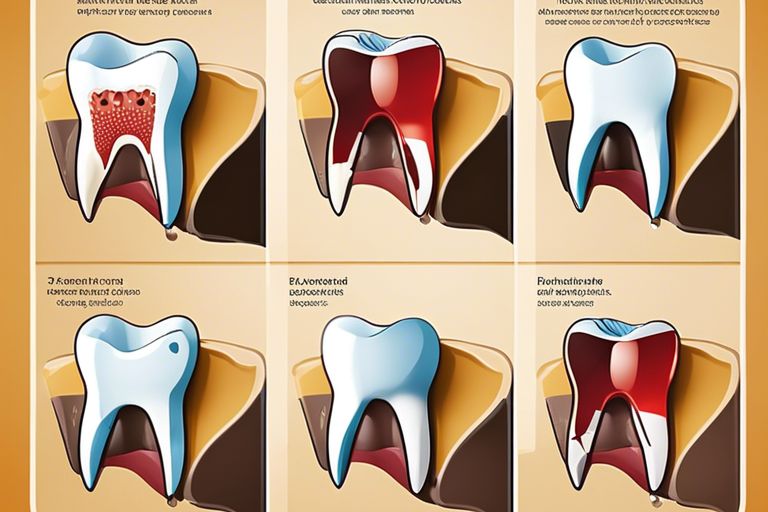
There are several types of tooth cracks that can occur, including craze lines, fractured cusp, cracked tooth, split tooth, and vertical root fracture. Each type of crack requires a different approach to treatment, so it’s important to accurately identify the type of crack in order to determine the best course of action. This information is broken down into a table below:
| Type of Tooth Crack | Description |
|---|---|
| Craze lines | Superficial cracks in the enamel |
| Fractured cusp | Crack in the chewing surface of the tooth |
| Cracked tooth | Crack extends from the chewing surface towards the root |
| Split tooth | Tooth splits into distinct segments |
| Vertical root fracture | Crack starts in the root of the tooth and extends upwards |
Treatment Options for a Cracked Tooth
Obviously, the treatment options for a cracked tooth will depend on the severity of the crack and the location of the tooth. Here are the most common treatment options for a cracked tooth:
Dental Bonding
If the crack in your tooth is minor, I might recommend dental bonding. This involves applying a tooth-colored resin to the affected tooth and then using a special light to harden the material. Dental bonding can help restore the appearance and function of a cracked tooth, but it may not be suitable for larger or more severe cracks.
Dental Veneers
If the crack in your tooth is on the front surface and is more cosmetic in nature, I might suggest dental veneers. These thin, custom-made shells are bonded to the front of your teeth to improve their appearance. While veneers can effectively cover up minor cracks, they may not be the best option for more extensive damage.
Dental Crowns
If the crack in your tooth is more severe and threatens the structural integrity of the tooth, I might recommend a dental crown. A dental crown is a cap that is placed over the damaged tooth to restore its shape, size, and strength. This option is particularly suitable for larger cracks or those that have led to significant decay or weakening of the tooth.
Root Canal Therapy
If the crack in your tooth extends into the pulp, where the nerves and blood vessels are located, you may require root canal therapy. This involves removing the infected or inflamed pulp, cleaning and disinfecting the inside of the tooth, and then sealing it. While root canal therapy has a reputation for being painful, it is actually a relatively painless procedure that can save a cracked tooth from extraction.
Tooth Extraction
If the crack in your tooth is too severe to be repaired, I may have no choice but to recommend tooth extraction. While this is not an ideal outcome, it is sometimes necessary to prevent further damage and potential infection in the mouth. If you do require a tooth extraction, I can discuss options for replacing the missing tooth, such as dental implants or bridges.
Aftercare for a Cracked Tooth
Lastly, after you have received treatment for your cracked tooth, it’s important to follow proper aftercare to ensure the best possible outcome. You may need to take extra precautions to protect your tooth as it heals. 7 Options To Fix a Broken Tooth can provide additional insight into your treatment options and aftercare.
Tips for Preventing Further Damage
After having a cracked tooth repaired, it’s essential to take steps to avoid further damage. When chewing, try to avoid hard foods and sticky candies that could potentially cause further damage to your tooth. It’s also important to avoid biting down on hard objects such as ice or pencils. Lastly, I recommend avoiding actions that could put excessive pressure on the repaired tooth, such as biting your nails or using your teeth to open packages. This will help protect your tooth from further harm and ensure that your treatment lasts as long as possible. This way, you can prevent the need for further dental care. This is crucial in maintaining your oral health.
Follow-up Dental Care
Following up with your dentist is essential after having a cracked tooth treated. I recommend scheduling a follow-up appointment to ensure that the treatment has been successful and that the tooth is healing properly. During this visit, your dentist will be able to assess the effectiveness of the treatment and address any concerns you may have. It’s also important for your dentist to monitor the repaired tooth for any signs of infection or additional damage that may have occurred. I advise that you follow any additional instructions provided by your dentist to ensure the long-term success of your treatment and the health of your tooth.
Summing up How to Fix a Cracked Tooth – What Are My Options?
In conclusion, if you have a cracked tooth, it’s important to seek professional dental help to determine the best course of action for fixing it. Depending on the severity of the crack, your dentist may recommend options such as dental bonding, a crown, a root canal, or even tooth extraction. It’s crucial to address a cracked tooth promptly to prevent further damage and potential infections. For more information on dental procedures to repair your cracked or broken tooth, visit 5 Dental Procedures to Repair Your Cracked or Broken Tooth.
FAQ
Q: How do I know if I have a cracked tooth?
A: You may experience intermittent pain when chewing, sensitivity to hot or cold, or discomfort when your tooth is exposed to air. It’s important to see a dentist for an accurate diagnosis.
Q: What are the options for fixing a cracked tooth?
A: Options for fixing a cracked tooth include dental bonding, a dental crown, a root canal followed by a crown, or tooth extraction if the crack is too severe to be repaired. The best option for you will depend on the location and severity of the crack.
Q: How long does it take to fix a cracked tooth?
A: The length of treatment will vary depending on the chosen option. Simple bonding or placement of a crown can typically be done in one or two appointments. More complex treatments, such as a root canal followed by a crown, may require multiple visits over several weeks.
Q: Is fixing a cracked tooth painful?
A: The process of fixing a cracked tooth is usually not painful, as local anesthesia is used to numb the area. However, if the crack is deep and has resulted in an infection, a root canal may be necessary and some discomfort may be experienced during the healing process.
Q: How can I prevent a cracked tooth in the future?
A: To prevent future cracked teeth, avoid chewing hard objects such as ice, pens, or hard candies. Wear a mouthguard when participating in contact sports, and seek treatment for teeth grinding or clenching. Regular dental check-ups can also help identify and address small cracks before they become a larger issue.

-
 Entertainment2 years ago
Does The Rock Have a Twin Brother? Exploring Celebrity Family Facts
-
 Lifestyle2 years ago
How Long Does a Killer Whale Live – What's Their Average Lifespan?
-
 Lifestyle2 years ago
How Many Hairs Are on a Human Head? Understanding Hair Density
-
 Lifestyle2 years ago
What Is an Industrial Plant? Exploring Industrial Facilities
-
 Technology2 years ago
How Far Can a Human Eye See – What's the Maximum Range?
-
 Lifestyle2 years ago
North Carolina Education Lottery App – Playing Lottery Games on Mobile
-
 Technology2 years ago
How Many People Can Solve a Rubik's Cube – Is It a Common Skill?
-
 Technology2 years ago
Is Dr. Pepper a Coke Product – Who Manufactures It?