
Lifestyle
How Much Is an Inground Pool? Cost Factors and Considerations

As an industry expert with years of experience in the pool construction business, I am often asked, “How much does an inground pool cost?” This is a common question, and the answer is not straightforward. Several factors come into play when determining the cost of an inground pool, including the size, shape, and material used. In this comprehensive blog post, I will break down the various cost factors and considerations you should keep in mind before diving into your inground pool project. From the initial construction costs to long-term maintenance expenses, I will provide you with all the information you need to make an educated decision about investing in an inground pool.
Key Takeaways:
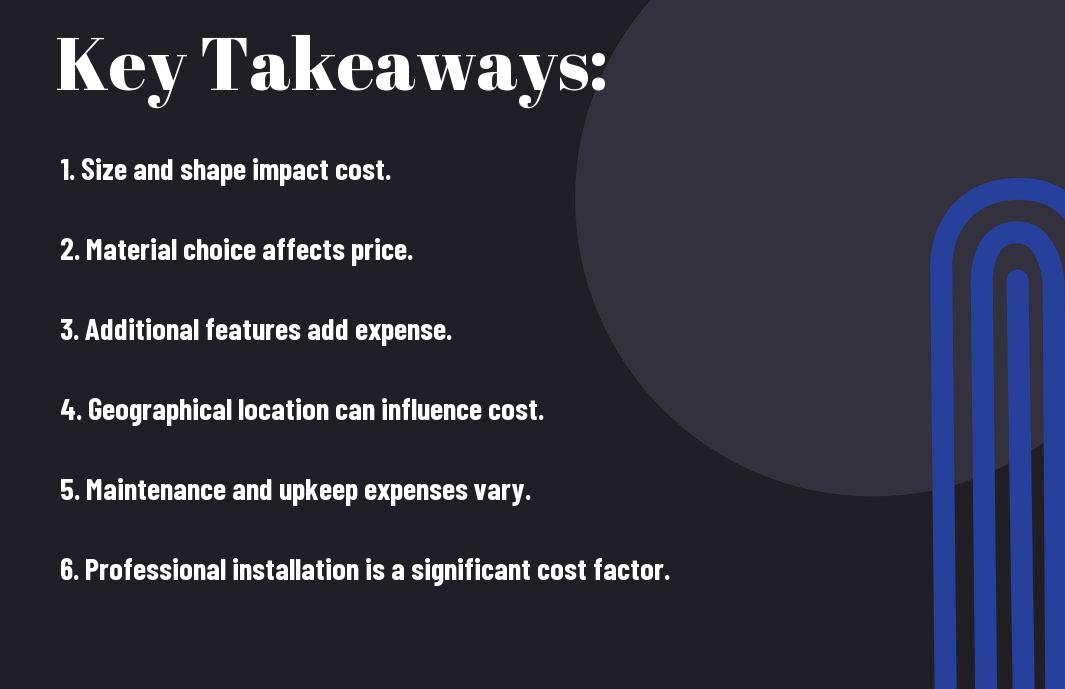
- Size and Shape: The size and shape of an inground pool can significantly impact the overall cost, with larger and more intricate designs typically leading to higher prices.
- Materials and Construction: The choice of materials, such as fiberglass, vinyl, or concrete, and the complexity of the construction process will also play a critical role in determining the total expense.
- Additional Features: Factors such as pool accessories, lighting, heating systems, and landscaping can add to the overall cost of an inground pool installation.
- Maintenance and Operating Costs: It’s important to consider the ongoing expenses associated with maintaining and operating an inground pool, including water, electricity, chemicals, and regular maintenance services.
- Local Regulations and Permits: Don’t forget to account for any necessary permits, inspections, and compliance with local building codes and regulations, which can affect both the upfront and long-term costs of an inground pool.
Factors Affecting the Cost of an Inground Pool
For anyone considering the installation of an inground pool, it’s important to understand the various factors that can affect the cost. Here are some key factors to consider:
- Size and shape of the pool
- Materials used for construction
- Location and site preparation
- Additional features such as lighting, heating, and landscaping
The cost of an inground pool can vary greatly depending on these and other factors.
Size and Shape
When it comes to inground pools, size and shape are significant factors in determining the overall cost. The larger and more complex the design, the more expensive the pool will be. Additionally, if you opt for unique shapes or custom designs, you can expect to pay a premium for the additional labour and materials required. Keep in mind that while a larger pool may provide more space for swimming and entertaining, it will also require more ongoing maintenance and higher operational costs.
Materials Used
The materials used in the construction of the pool will also have a significant impact on the overall cost. Higher quality materials such as gunite or fiberglass will generally result in a more expensive build, but they also tend to be more durable and require less maintenance over time. On the other hand, choosing lower cost materials may save money upfront but could lead to higher long-term costs due to maintenance and repairs.
Location and Site Preparation
The cost of installing an inground pool can also be influenced by the location and site preparation required. Factors such as the accessibility of the site, the presence of any existing structures or utilities, and the need for additional landscaping or grading can all impact the overall cost of the project. Additionally, local building codes and regulations may also dictate certain requirements that could affect the cost of installation.
Additional Features
In addition to the basic pool structure, the inclusion of additional features such as heating systems, lighting, water features, and decking can significantly increase the overall cost of the project. While these enhancements can certainly add value and enjoyment to your pool, they should be carefully considered in relation to your budget and the ongoing operating costs they may incur.

Budgeting for an Inground Pool
One of the first steps in considering an inground pool is to establish a budget that aligns with your financial capability. This will help you have a clear understanding of how much you can afford to spend on the initial installation as well as the long-term maintenance and operational costs.
Upfront Costs
When budgeting for an inground pool, it’s important to consider the upfront costs, which include the excavation, pool construction, plumbing, electrical work, permits, and landscaping. Additionally, you’ll need to budget for any necessary add-ons such as a pool deck, fencing, and pool equipment. It’s crucial to obtain multiple quotes from reputable pool contractors to ensure you have a realistic understanding of the overall cost of the project.
Ongoing Maintenance and Long-Term Costs
Aside from the initial installation, it’s essential to factor in the ongoing maintenance and long-term costs of owning an inground pool. This includes the cost of water, chemicals, energy for pool pumps and heaters, regular cleaning, repairs, and potential replacement of equipment. Additionally, you should consider the impact on your homeowner’s insurance, property taxes, and potential increase in utility bills. Proper budgeting and planning for these ongoing expenses is crucial to avoid any financial strain in the future.
Hiring a Professional vs. DIY
Keep in mind that whether you choose to hire a professional or take on the project yourself, installing an inground pool is a significant investment of time and money. Both options have their own set of pros and cons, so it’s important to carefully consider your skills, budget, and the time you’re willing to commit to the project before making a decision.
Pros and Cons of Hiring a Professional
When considering hiring a professional to install your inground pool, there are several advantages and disadvantages to keep in mind. Let’s take a closer look at the pros and cons of hiring a professional:
| Pros | Cons |
| Experience and expertise | Higher upfront cost |
| Time-saving | Lack of control over the process |
| Professional quality work | Potential for miscommunication |
| Warranty and guarantee | Reliance on the contractor’s schedule |
Pros and Cons of DIY
If you’re considering taking on the installation of an inground pool as a DIY project, there are also important factors to consider. Here are the pros and cons of going the DIY route:
| Pros | Cons |
| Cost savings | Lack of professional expertise |
| Control over the process | Time-consuming |
| Fulfillment of completing the project yourself | No warranty or guarantee |
| Flexible schedule | Potential for mistakes and errors |
I hope this information helps you make an informed decision on whether to hire a professional or take on the project yourself. No matter which option you choose, it’s essential to weigh the advantages and disadvantages carefully before making a decision.
Conclusion
From above factors and considerations, it is clear that the cost of an inground pool can vary greatly depending on various factors such as the type of material used, size, and complexity of the design. It is essential to carefully consider all these factors before making a decision. Remember to also take into account the ongoing maintenance and operational costs when budgeting for your inground pool. Ultimately, the investment in an inground pool can greatly enhance the value and enjoyment of your home, making it a worthwhile consideration for many homeowners.
FAQ
Q: What factors affect the cost of an inground pool?
A: The cost of an inground pool can vary based on factors such as size, shape, materials, features, and additional installation costs such as excavation and landscaping.
Q: How much does an average inground pool cost?
A: The average cost of an inground pool ranges from $35,000 to $65,000 for a basic installation, while a more elaborate pool with features like waterfalls or lighting can cost upwards of $100,000.
Q: What are some cost-saving considerations for installing an inground pool?
A: Consider factors such as pool size, materials, and additional features to help keep costs down. Opting for a smaller pool, using less expensive materials, and choosing fewer additional features can all help reduce the overall cost.
Q: Are there ongoing maintenance costs for inground pools?
A: Yes, ongoing maintenance costs for an inground pool typically include chemicals, water, electricity for pumps and heaters, and potential repairs. These costs can range from a few hundred to a few thousand dollars annually, depending on the size and features of the pool.
Q: Should I hire a professional for inground pool installation?
A: Yes, hiring a professional for inground pool installation is highly recommended. A professional pool builder can ensure the proper installation of the pool, handle necessary permits, and adhere to local building codes and safety regulations.

-
 Entertainment2 years ago
Does The Rock Have a Twin Brother? Exploring Celebrity Family Facts
-
 Lifestyle2 years ago
How Long Does a Killer Whale Live – What's Their Average Lifespan?
-
 Lifestyle2 years ago
How Many Hairs Are on a Human Head? Understanding Hair Density
-
 Technology2 years ago
How Far Can a Human Eye See – What's the Maximum Range?
-
 Lifestyle2 years ago
What Is an Industrial Plant? Exploring Industrial Facilities
-
 Lifestyle2 years ago
North Carolina Education Lottery App – Playing Lottery Games on Mobile
-
 Technology2 years ago
How Many People Can Solve a Rubik's Cube – Is It a Common Skill?
-
 Technology2 years ago
Is Dr. Pepper a Coke Product – Who Manufactures It?