
Lifestyle
How Do I Become an Actor? Steps to Pursuing an Acting Career

Greetings, aspiring actors! Are you ready to embark on the exciting and challenging journey of pursuing an acting career? It is important to note that the path to becoming a successful actor is not an easy one, but with dedication, hard work, and the right guidance, it is definitely achievable. If you are wondering how you can start your career as an actor, read on for a comprehensive guide on the essential steps and strategies to kickstart your journey in the performing arts industry.
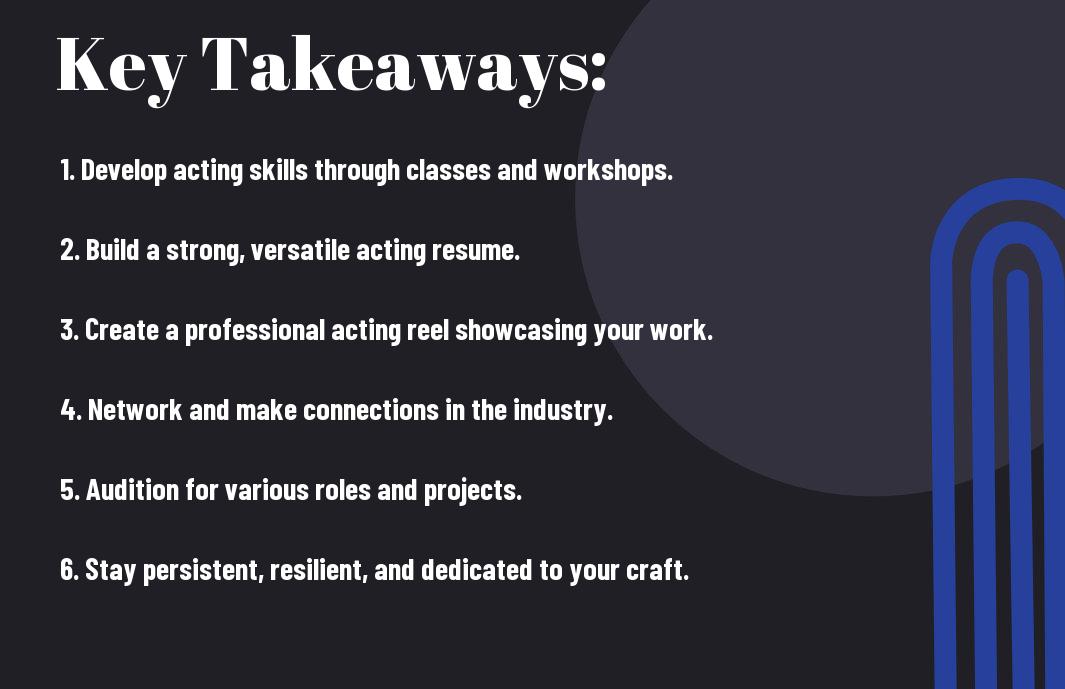
Key Takeaways:
- Develop your acting skills: Pursuing an acting career requires honing your craft through training, classes, and workshops.
- Build a strong portfolio: Create a professional resume and headshot to showcase your experience and abilities to potential agents and casting directors.
- Network within the industry: Attend industry events, volunteer, and connect with other actors and industry professionals to build relationships and expose yourself to opportunities.
- Seek representation: Finding a reputable talent agent can help you secure auditions and roles that align with your career goals.
- Stay persistent and proactive: Acting careers require perseverance, so continue to audition, take on new projects, and seek feedback to improve and grow as an actor.
Exploring the Acting Industry
For anyone considering a career in acting, it’s important to gain an understanding of the industry as a whole. This includes familiarizing yourself with the various types of acting, the responsibilities of an actor, and the potential challenges and rewards that come with pursuing this career. Exploring the acting industry will give you a better sense of what to expect and how to navigate your path in the world of acting.
Understanding the Role of an Actor
As an aspiring actor, it’s crucial to understand the role you will be playing in various productions. Actors are responsible for bringing characters to life and conveying emotions, thoughts, and actions in a believable manner. It’s essential to have a deep understanding of human psychology and behavior in order to effectively portray different characters and connect with audiences.
Researching Different Types of Acting
When pursuing a career in acting, it’s important to research the different types of acting to identify which best aligns with your interests and strengths. This may include film, television, theater, voiceover work, and improvisation. Knowing the various types of acting allows you to focus on specific skills and techniques needed for each, as well as the unique demands and opportunities associated with each type of performance.
| Film | Acting for camera, understanding on-screen presence |
| Television | Long-term character development, episodic performance |
| Theater | Live performance, projecting to a large audience |
| Voiceover Work | Utilizing voice for animation, commercials, narration |
| Improvisation | Spontaneous acting, thinking on your feet |
Training and Education
Any aspiring actor knows the importance of obtaining proper training and education to jumpstart their acting career. It’s essential to build a strong foundation in acting techniques and gain valuable knowledge of the industry. To get started, I recommend researching acting schools and programs that offer a comprehensive curriculum tailored for aspiring actors. Check out Acting Schools & Careers | How To Become An Actor for valuable insights and guidance on choosing the right path for your education and training.
Enrolling in Acting Classes
When pursuing an acting career, enrolling in acting classes is a crucial step. This is where you’ll learn the fundamentals of acting, including characterization, script interpretation, and improvisation. Additionally, acting classes provide a platform for honing your craft and receiving constructive feedback. Look for reputable acting schools or local theater groups that offer classes taught by experienced instructors. By immersing yourself in these classes, you’ll gain valuable skills and insights that will prepare you for auditions and performances.
Pursuing a Degree in Acting or Theater
For those looking to further their education in acting, pursuing a degree in acting or theater can provide a well-rounded approach to the art and industry. A degree program offers a comprehensive curriculum that delves into acting techniques, theater history, and production. Additionally, earning a degree can open doors to networking opportunities and connections within the industry. While not mandatory, a degree in acting or theater can provide a solid foundation and enhance your credibility as an actor.

Building Your Portfolio
Despite the glitz and glamour often associated with being an actor, building a solid portfolio is essential to kick-starting your acting career. Your portfolio is a collection of your work that showcases your acting ability and experience. It should include a variety of materials, such as headshots, resumes, and recordings of your performances. These materials will be crucial in marketing yourself to potential agents, casting directors, and producers. For more in-depth information on how to build your portfolio, you can check out this article on How to Become an Actor.
Participating in School and Community Theater
Participating in school and community theater is an excellent way to gain experience and exposure as an actor. It allows you to hone your craft, build your confidence, and network with other aspiring actors and industry professionals. By taking on various roles in different productions, I was able to expand my repertoire and gain valuable performance experience that helped me prepare for a professional acting career.
Creating a Professional Acting Resume and Headshot
Creating a professional acting resume and headshot is crucial for capturing the attention of casting directors and agents. Your resume should highlight your acting experience, training, and special skills, while your headshot should showcase your unique personality and versatility as an actor. When I updated my resume and headshot with high-quality, professional images, I noticed a significant increase in the number of audition opportunities that came my way. Remember, your resume and headshot are often the first impression you make on industry professionals, so it’s important to make them stand out.
Pursuing Opportunities
Keep an eye out for casting calls, auditions, and open casting calls in your area or in major entertainment centers like Los Angeles and New York. You can find these opportunities listed in industry publications, online casting websites, and social media. It’s important to constantly network and seek out opportunities to showcase your talent.
Securing an Agent
Securing an agent can be a valuable asset in advancing your acting career. An agent can help you secure auditions, negotiate contracts, and provide valuable industry connections. When looking for an agent, research potential agents carefully and make sure they have a good reputation in the industry. It’s important to find someone who believes in your talent and is willing to work tirelessly to advance your career. When approaching agents, send them your headshot, resume, and any demo reels or clips of your work. Be prepared to showcase your talent in person as well.
Auditioning for Acting Roles
When it comes to auditioning for acting roles, it’s important to be prepared, professional, and confident. I always make sure to thoroughly study and understand the character I am auditioning for, and practice my lines and scenes until I feel confident in my performance. It’s also important to dress the part and be punctual for auditions. Each audition is an opportunity to showcase your talent and make a lasting impression, so make sure to give it your all every time.
Conclusion
Upon reflecting on the steps to pursuing an acting career, I have gained a clearer understanding of the dedication and hard work required to succeed in this industry. By honing my craft and consistently seeking opportunities to gain experience and exposure, I am confident in my ability to thrive as an actor. By following these guidelines, you can also take the necessary steps to pursue your passion and embark on a fulfilling career in acting. Remember to stay committed, stay open to learning, and stay persistent in pursuing your dreams.
FAQ
Q: What steps do I need to take to become an actor?
A: To become an actor, you need to develop your skills, gain experience, and network within the industry. This can include taking acting classes, auditioning for local productions, and connecting with casting directors and talent agents.
Q: Do I need to go to college to become an actor?
A: While a formal education in acting or theater can be beneficial, it is not a requirement to become an actor. Many successful actors have pursued training through workshops, classes, and real-world experience.
Q: How important is networking in pursuing an acting career?
A: Networking is crucial in the acting industry. Building relationships with casting directors, agents, and other actors can lead to opportunities and connections that can further your career. Attending industry events, workshops, and auditions can help you expand your network.
Q: What are the main challenges of pursuing an acting career?
A: Some of the main challenges of pursuing an acting career include facing rejection during auditions, dealing with the unpredictability of the industry, and maintaining a steady income. It’s important to have persistence, resilience, and a strong support system to overcome these challenges.
Q: How can I find acting opportunities and auditions?
A: There are various ways to find acting opportunities and auditions, including utilizing online casting websites, joining local theater groups, and staying active on social media platforms. Additionally, having a talent agent can provide you with access to a wider range of opportunities and auditions.

-
 Entertainment2 years ago
Does The Rock Have a Twin Brother? Exploring Celebrity Family Facts
-
 Lifestyle2 years ago
How Long Does a Killer Whale Live – What's Their Average Lifespan?
-
 Lifestyle2 years ago
How Many Hairs Are on a Human Head? Understanding Hair Density
-
 Lifestyle2 years ago
What Is an Industrial Plant? Exploring Industrial Facilities
-
 Technology2 years ago
How Far Can a Human Eye See – What's the Maximum Range?
-
 Lifestyle2 years ago
North Carolina Education Lottery App – Playing Lottery Games on Mobile
-
 Technology2 years ago
How Many People Can Solve a Rubik's Cube – Is It a Common Skill?
-
 Technology2 years ago
Is Dr. Pepper a Coke Product – Who Manufactures It?