
Health
What Does a Hernia Feel Like – What Are the Symptoms?

Palpating the belly might reveal a bulge or lump that can be felt especially when holding your breath or bearing down. This might indicate the presence of a hernia. If you’re experiencing unexplained and persistent pain, discomfort, or aching in the affected area, along with nausea, vomiting, or the inability to have a bowel movement, you should seek medical attention immediately. Additionally, hernias can cause sharp or shooting pains as well as a feeling of weakness or pressure in the groin. For more information on the symptoms of a hernia, you can visit Symptoms of a Hernia.
By being aware of the symptoms and staying informed, you can take steps towards prompt diagnosis and treatment.
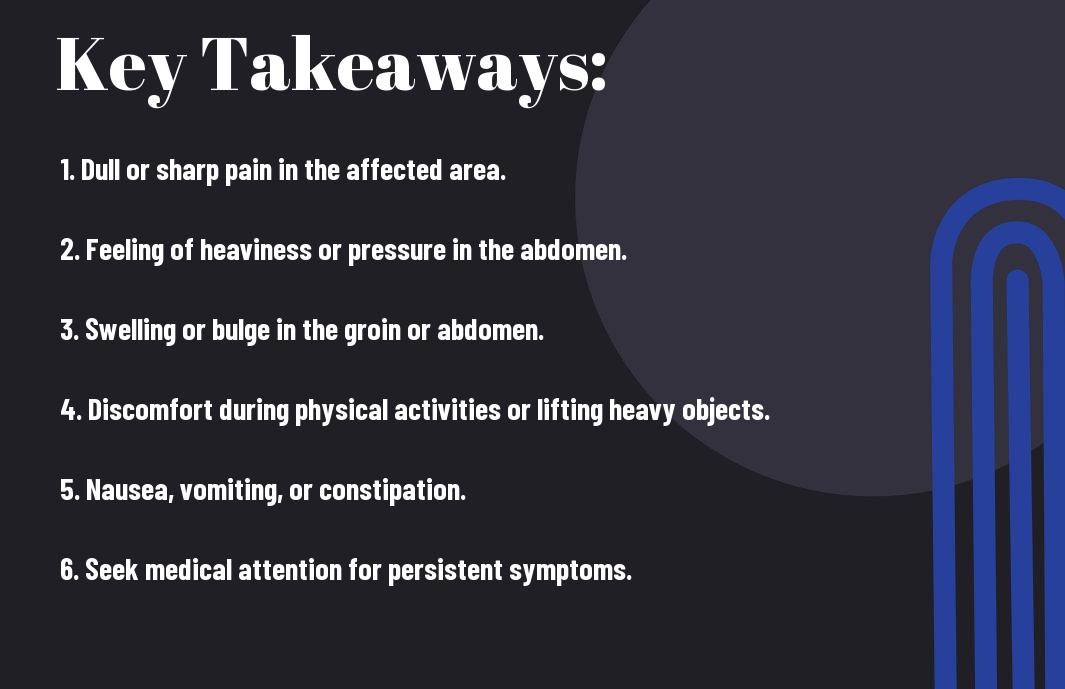
Key Takeaways:
- Pain or discomfort: The most common symptom of a hernia is pain or discomfort, often felt as a dull ache or a sharp, stabbing sensation.
- Visible bulge or lump: In some cases, a hernia may be easily identified by a visible bulge or lump in the affected area, such as the abdomen or groin.
- Increased discomfort with activity: Physical activity, coughing, or straining may exacerbate the symptoms of a hernia, causing increased discomfort or pain.
- Feeling of weakness or pressure: Some individuals with a hernia may experience a sensation of weakness or pressure in the affected area, especially when lifting heavy objects or during bowel movements.
- Seek medical attention: If you suspect you have a hernia or are experiencing symptoms, it’s important to seek medical attention for proper diagnosis and treatment. Ignoring a hernia can lead to complications such as incarceration or strangulation.
Understanding Hernias
By understanding what a hernia is and how it can affect your body, you can better recognize the symptoms and seek appropriate treatment.
Types of Hernias
There are several types of hernias, each with its own unique characteristics and symptoms. Some of the most common types include inguinal hernias, hiatal hernias, and incisional hernias. These hernias occur when an internal part of the body pushes through a weakness or hole in the surrounding muscle or connective tissue. The symptoms can vary depending on the type of hernia and its location. Inguinal hernias, for example, often present as a bulge or lump in the groin area, while hiatal hernias may cause symptoms such as heartburn and difficulty swallowing.
- Inguinal hernias – Most common type, occurs in the groin
- Hiatal hernias – Affects the diaphragm and can cause acid reflux
- Incisional hernias – Develop in the abdomen at the site of a previous surgical incision
Assume that any unusual bulges or discomfort in the abdominal or groin area may be a sign of a hernia and seek medical attention promptly.
Causes of Hernias
A hernia can develop as a result of various factors, including weakness in the abdominal wall, straining during bowel movements, heavy lifting, and pregnancy. Individuals with a family history of hernias are also at a higher risk of developing one themselves. In some cases, hernias may be present at birth due to a weakness in the abdominal wall that becomes noticeable later in life. Regardless of the cause, it’s important to be aware of the potential risk factors and take appropriate measures to prevent hernias.
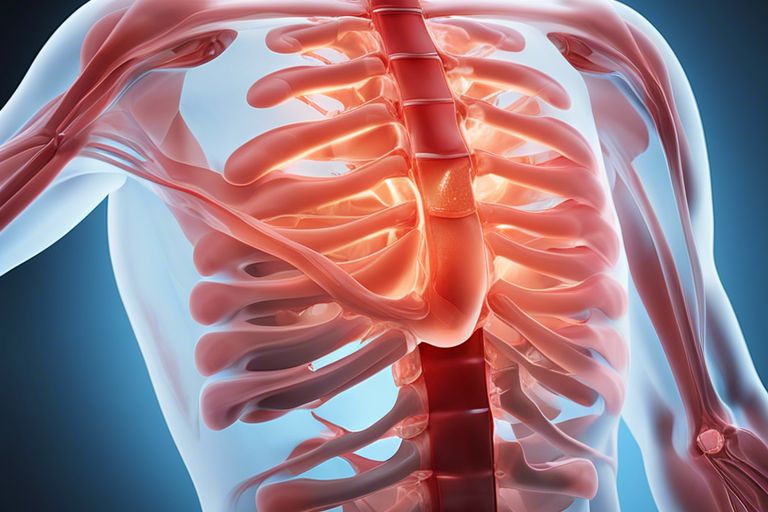
Signs and Symptoms of a Hernia
While a hernia can manifest differently in each individual, there are some common signs and symptoms to look out for. These can include pain or discomfort in the affected area, swelling or a noticeable bulge, and a feeling of heaviness or pressure in the abdomen. It’s important to pay attention to your body and seek medical advice if you experience any of these symptoms.
Common Symptoms
One of the most common symptoms of a hernia is a visible bulge in the affected area, which may become more prominent when standing, coughing, or straining. This bulge is often the result of abdominal tissue or organs pushing through the weakened area. In addition to the bulge, many people also experience discomfort or aching in the groin or abdominal region. This can range from mild discomfort to severe pain, and may worsen when lifting heavy objects or during physical activity.
When to Seek Medical Help
If you suspect that you may have a hernia, it’s important to seek medical help as soon as possible. Ignoring the symptoms or attempting to push the bulge back in can lead to serious complications such as incarceration or strangulation of the hernia. If you experience sudden, severe pain in the affected area, or if the bulge becomes firm and cannot be pushed back in, seek immediate medical attention. Additionally, if you develop a fever, nausea, or vomiting along with the hernia symptoms, it’s important to see a doctor right away.
Treatment Options for Hernias
Now that you’re aware of the symptoms of a hernia, it’s important to know what treatment options are available. Whether your hernia is causing you discomfort or not, it’s crucial to discuss treatment with a healthcare professional to prevent any possible complications.
Non-Surgical Options
If your hernia is small and not causing you significant discomfort, your healthcare provider may suggest a “watchful waiting” approach. This means that you will be monitored regularly to ensure that the hernia is not growing or causing any complications. Additionally, lifestyle modifications such as weight management, avoiding heavy lifting, and wearing a supportive truss may help to alleviate symptoms and prevent the hernia from worsening. However, it’s essential to keep in mind that a hernia may not fully heal without surgical intervention, and ignoring symptoms could lead to serious complications.
Surgical Options
If your hernia is causing you pain or other symptoms, or if it is at risk of becoming incarcerated or strangulated, surgical intervention may be necessary. In some cases, minimally invasive laparoscopic surgery may be an option, which typically involves a shorter recovery time and less post-operative pain. However, larger or more complicated hernias may require traditional open surgery. Remember, surgical treatment is the only way to permanently repair a hernia, and delaying or avoiding surgery could lead to potentially life-threatening complications. If you are experiencing symptoms of a hernia, it’s crucial to consult with a healthcare professional to explore the most suitable treatment option for your specific situation.
As always, it’s important to discuss treatment options with a qualified healthcare professional. With the right approach, you can effectively manage your hernia and prevent any potential complications. Remember, early intervention is key in addressing hernias and ensuring your overall well-being. Stay proactive in your healthcare and prioritize your health.
Conclusively
I hope this article has helped you understand the symptoms and sensations of a hernia. If you experience any of the symptoms mentioned, it is crucial to seek medical attention as soon as possible. Ignoring a hernia can lead to serious complications, so it’s important to get a proper diagnosis and treatment. To learn more about hernias, including their causes and treatment options, you can visit Hernia: What it is, Symptoms, Types, Causes & Treatment for more information. Remember, it’s always best to consult with a healthcare professional for personalized advice and care.
FAQ
Q: What does a hernia feel like?
A: A hernia may feel like a bulge or lump in the abdomen or groin area. It can also cause discomfort or pain, especially when lifting, coughing, or straining.
Q: What are the symptoms of a hernia?
A: Common symptoms of a hernia include a visible bulge, pain or discomfort, feeling of fullness or pressure in the abdomen, and a heavy or dragging sensation in the groin area.
Q: Are there different types of hernias with different symptoms?
A: Yes, there are various types of hernias, including inguinal hernias, femoral hernias, umbilical hernias, and hiatal hernias. Each type may have unique symptoms, but the common ones include pain, discomfort, and a noticeable bulge.
Q: When should I seek medical attention for a hernia?
A: It is important to seek medical attention if you suspect you have a hernia, especially if you experience severe pain, sudden onset of symptoms, or if the bulge becomes firm or tender. Delaying treatment can lead to complications such as strangulation of the hernia contents.
Q: How is a hernia diagnosed and treated?
A: A hernia is typically diagnosed through a physical examination and imaging tests such as ultrasound or MRI. Treatment often involves surgical repair to push the protruding tissue back into place and reinforce the weakened area. In some cases, a supportive truss or belt may be used to alleviate symptoms.

-
 Entertainment2 years ago
Does The Rock Have a Twin Brother? Exploring Celebrity Family Facts
-
 Lifestyle2 years ago
How Long Does a Killer Whale Live – What's Their Average Lifespan?
-
 Lifestyle2 years ago
How Many Hairs Are on a Human Head? Understanding Hair Density
-
 Lifestyle2 years ago
What Is an Industrial Plant? Exploring Industrial Facilities
-
 Technology2 years ago
How Far Can a Human Eye See – What's the Maximum Range?
-
 Lifestyle2 years ago
North Carolina Education Lottery App – Playing Lottery Games on Mobile
-
 Technology2 years ago
Is Dr. Pepper a Coke Product – Who Manufactures It?
-
 Technology2 years ago
How Many People Can Solve a Rubik's Cube – Is It a Common Skill?