
Lifestyle
Carrying a Dog in a Backpack – How to Do It Safely?

Ensuring the safety of your furry friend while carrying them in a backpack is crucial. As a pet owner, I understand the importance of finding the right way to transport your dog in a backpack to keep them comfortable and secure. In this informative blog post, I will provide you with essential tips and guidelines on how to safely carry your dog in a backpack, including the potential risks, proper equipment, and best practices to ensure a positive experience for both you and your canine companion.
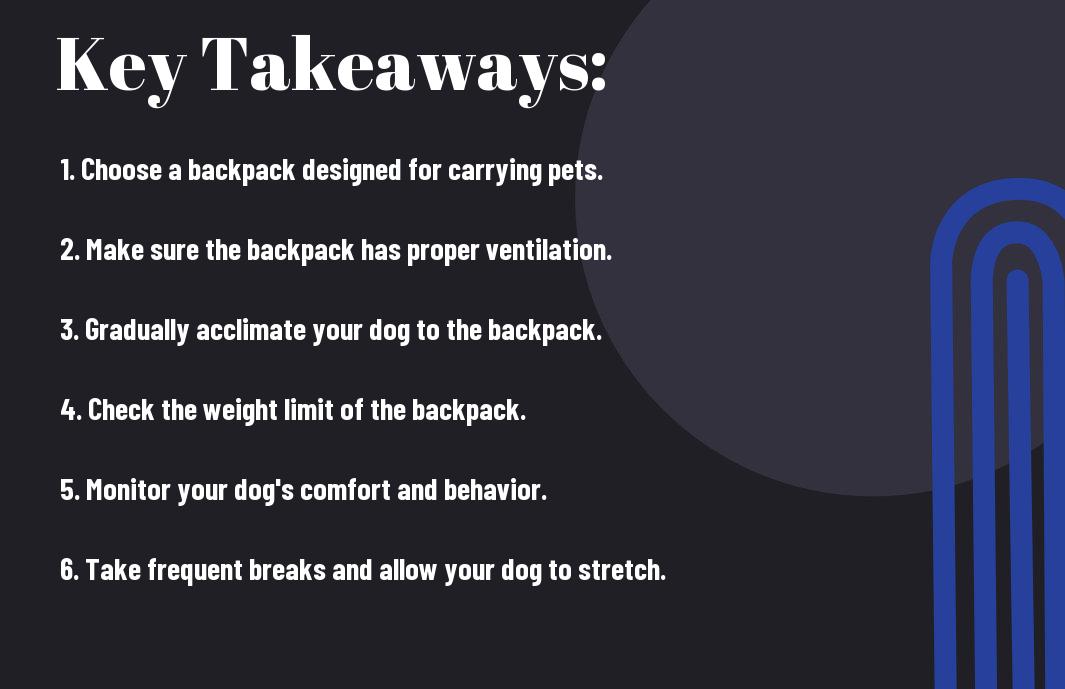
Key Takeaways:
- Choose the right backpack: Look for a backpack specifically designed for carrying pets, with plenty of ventilation and support for your dog’s weight.
- Get your dog used to the backpack: Gradually introduce your dog to the backpack and make sure they are comfortable being in it before attempting to carry them for an extended period.
- Use proper positioning: Place your dog in the backpack in a way that distributes their weight evenly and allows them to sit or lie comfortably.
- Take frequent breaks: Give your dog breaks from being in the backpack to stretch their legs, drink water, and relieve themselves as needed.
- Monitor your dog’s behavior: Always keep an eye on your dog’s well-being while in the backpack and be mindful of any signs of discomfort or distress.
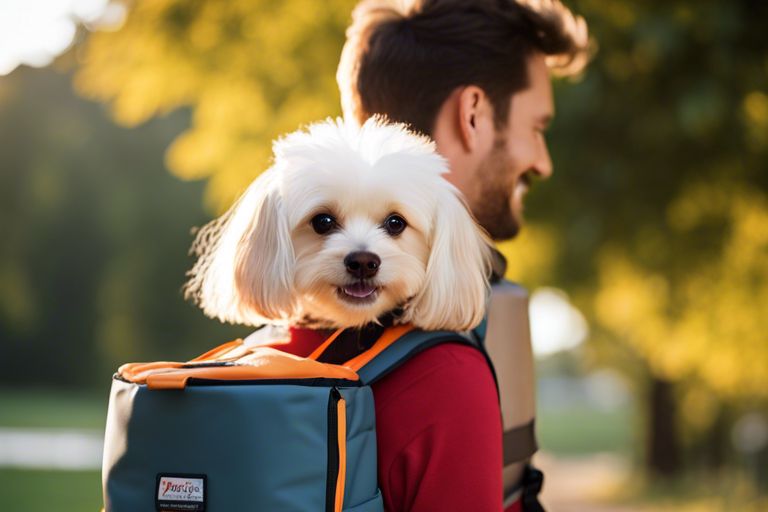
Carrying a Dog in a Backpack
By carrying your dog in a backpack, you can bring them along on outdoor adventures while keeping them safe and secure. However, it’s important to do so in a way that is comfortable for both you and your furry friend. Here are a few tips on how to carry a dog in a backpack safely.
Temperament and Socialization
When carrying your dog in a backpack, it’s important to consider their temperament and socialization. Some dogs may feel anxious or scared when confined in a backpack, especially if they are not used to it. Before attempting to carry your dog in a backpack, make sure they are comfortable being in one. Start by introducing the backpack to your dog slowly, allowing them to sniff and explore it at their own pace. Gradually, encourage them to spend short periods of time in the backpack while rewarding them with treats and praise.
Child-friendly and Pet-friendly Considerations
Before venturing out with your dog in a backpack, consider whether they are comfortable around children and other pets. If your dog is anxious or reactive around kids or other animals, carrying them in a backpack may not be the best option. It’s important to ensure that your dog is well-socialized and friendly towards others to prevent any issues while on the go.
Obedience Training and Energy Levels
Carrying a dog in a backpack requires them to be obedient and well-behaved. Your dog should be trained to follow basic commands such as “sit” and “stay” to ensure they remain calm and still while in the backpack. Additionally, consider their energy levels. If your dog is highly energetic, they may not be comfortable being confined for long periods of time. It’s important to take regular breaks to let your dog stretch and move around to prevent discomfort and restlessness.
Safety Precautions and Best Practices
If you are considering carrying your dog in a backpack, it’s important to take some safety precautions and follow best practices to ensure the comfort and safety of your furry friend. One of the first things I recommend is to read up on ‘How To Get Your Dog In A Backpack Carrier’ in this article from K9 Sportsack to ensure you are properly prepared.
Size and Strength Considerations
When it comes to carrying your dog in a backpack, it’s essential to consider the size and strength of your dog. Make sure that the backpack is the appropriate size for your dog, allowing enough room for them to sit, stand, and turn around comfortably. Additionally, consider your dog’s weight and strength. Carrying a dog that is too heavy or strong for you to handle can pose a safety risk for both you and your pet.
Shedding and Grooming Tips
When carrying your dog in a backpack, it’s important to consider shedding and grooming. If your dog is a heavy shedder, be mindful of the potential for fur to accumulate in the backpack. Brushing your dog before placing them in the backpack can help minimize shedding. Additionally, ensure that your dog’s nails are trimmed to prevent them from catching on the backpack’s fabric. Any grooming should be done before placing your dog in the backpack.
Energy and Exercise Needs
Consider your dog’s energy and exercise needs before carrying them in a backpack. Ensure that your dog has had sufficient exercise before placing them in the backpack, as an energetic dog may become restless and uncomfortable during extended periods of confinement. It’s also important to take regular breaks to allow your dog to stretch their legs, go to the bathroom, and have some water. Keep in mind that carrying your dog in a backpack is not a substitute for regular exercise.
By taking these safety precautions and considering best practices, you can ensure that carrying your dog in a backpack is a positive and enjoyable experience for both you and your furry friend.
Health and Wellness
Now, let’s talk about the health and wellness of your dog when carrying them in a backpack. It’s important to ensure that your furry friend is in good health and that you take necessary precautions to keep them safe while they’re in the backpack.
Vaccinations and Parasite Prevention
When carrying your dog in a backpack, it’s important to make sure that they are up to date on their vaccinations and parasite prevention treatments. This is crucial for the safety of both your dog and yourself. Vaccinations protect your dog from potentially deadly diseases, while parasite prevention helps keep them free from fleas, ticks, and other harmful parasites. Before embarking on any backpacking adventures with your dog, make sure to schedule a visit to the vet to ensure that they are properly protected.
Dental Care and Regular Check-ups
Another important aspect of your dog’s health is dental care and regular check-ups. Carrying a dog in a backpack can be stressful for them, and stress can have a negative impact on their overall health. Regular dental care and check-ups can help catch any potential issues early and prevent more serious health problems down the road. Ensure that your dog has regular visits to the vet for check-ups and dental cleanings to keep their teeth and overall health in tip-top shape.
Nutrition and Diet
When it comes to carrying your dog in a backpack, it’s essential to take their nutrition and diet into consideration. Proper nutrition is key to maintaining your dog’s overall health and wellbeing. Ensure that they are receiving a balanced diet and proper nutrients to keep them healthy and strong. When backpacking, make sure to pack enough food and water for your dog to keep them energized and hydrated throughout the journey.
Carrying a Dog in a Backpack – How to Do It Safely?
Drawing together the essential tips and guidelines for safely carrying a dog in a backpack, it is important to always consider the well-being and comfort of your furry friend. Ensure that the backpack is appropriately sized and ventilated, and that your dog is accustomed to being carried in it before embarking on any trips. It is crucial to regularly check on your dog’s comfort and safety while in the backpack, and to take breaks when necessary. By following these safety measures, you can enjoy the convenience of carrying your dog in a backpack while prioritizing their safety and comfort.
FAQ
Q: Is it safe to carry a dog in a backpack?
A: Yes, it can be safe to carry a dog in a backpack as long as you use a properly designed and sized carrier, and follow safety guidelines for the size and weight of your dog.
Q: What type of backpack should I use to carry my dog?
A: You should use a backpack specifically designed for carrying pets, with proper ventilation, sturdy straps, and a secure fastening system to keep your dog safely contained.
Q: How should I prepare my dog for being carried in a backpack?
A: It’s important to acclimate your dog to the backpack gradually, using positive reinforcement and treats to create a positive association. Start with short trips and gradually increase the duration as your dog becomes more comfortable.
Q: What safety precautions should I take when carrying my dog in a backpack?
A: Make sure the backpack is securely fastened and your dog is properly positioned with their head out and able to breathe easily. Keep an eye on their body language and take breaks if they show signs of discomfort. Be mindful of the temperature and avoid carrying your dog in extreme heat.
Q: Are there any situations where carrying a dog in a backpack is not safe?
A: Yes, it is not safe to carry a dog in a backpack if they have health issues that could be exacerbated by being confined or if they are too large or heavy for the backpack to support comfortably. Always consult with your veterinarian before carrying your dog in a backpack, especially for extended periods of time.

-
 Entertainment2 years ago
Does The Rock Have a Twin Brother? Exploring Celebrity Family Facts
-
 Lifestyle2 years ago
How Long Does a Killer Whale Live – What's Their Average Lifespan?
-
 Lifestyle2 years ago
How Many Hairs Are on a Human Head? Understanding Hair Density
-
 Lifestyle2 years ago
What Is an Industrial Plant? Exploring Industrial Facilities
-
 Technology2 years ago
How Far Can a Human Eye See – What's the Maximum Range?
-
 Lifestyle2 years ago
North Carolina Education Lottery App – Playing Lottery Games on Mobile
-
 Technology2 years ago
How Many People Can Solve a Rubik's Cube – Is It a Common Skill?
-
 Technology3 years ago
Is Dr. Pepper a Coke Product – Who Manufactures It?